2026 Public Assistance Benefits: Your Essential Guide

Understanding 2026 public assistance benefits is crucial for accessing vital support, encompassing a range of federal and state programs designed to provide financial, housing, food, and healthcare aid to eligible individuals and families across the United States.
Navigating the landscape of 2026 public assistance benefits can feel overwhelming, yet it’s an essential journey for many seeking stability and support. This comprehensive guide aims to demystify the various programs available, helping you understand your rights and access the practical solutions designed to assist individuals and families across the United States.
Understanding the Evolving Landscape of Public Assistance in 2026
The year 2026 brings with it a refined framework for public assistance benefits, shaped by technological advancements and evolving societal needs. These changes aim to streamline access and ensure resources reach those who need them most, reflecting a continuous effort to adapt to the economic realities facing American households.
Public assistance programs are fundamental to the social safety net, providing critical support in areas such as food security, housing, healthcare, and income stability. Staying informed about the latest updates and requirements is paramount for anyone looking to utilize these vital resources effectively.
Key Shifts in Benefit Programs
Several key shifts have been implemented or are projected for 2026, influencing how benefits are accessed and distributed. These often involve technology integration, making applications more accessible but also requiring a basic level of digital literacy.
- Increased emphasis on digital application platforms.
- Enhanced data sharing between federal and state agencies for streamlined eligibility verification.
- New pilot programs focusing on specific demographic needs, such as single-parent households or veterans.
- Adjustments to income thresholds and asset limits based on updated economic indicators.
Understanding these broader changes is the first step in successfully navigating the system. While the core mission of public assistance remains constant, the methods and criteria for accessing it are subject to continuous refinement.
Eligibility Criteria: Who Qualifies for 2026 Public Assistance Benefits?
Determining eligibility for 2026 public assistance benefits is a multi-faceted process, primarily based on income, household size, and specific needs. Each program has its own set of rules, though there are common threads that run through most federal and state assistance initiatives.
Generally, eligibility is designed to support low-income individuals and families, as well as those facing specific hardships such as disability, unemployment, or significant medical expenses. It’s crucial to review the specific requirements for each benefit program you are considering.
Income and Asset Limits
Income and asset limits are central to most eligibility determinations. These limits are typically set as a percentage of the Federal Poverty Level (FPL) and can vary by state and program. For 2026, these figures have been adjusted to reflect current economic conditions.
- Gross Monthly Income: Often compared against a percentage of the FPL for your household size.
- Net Monthly Income: Calculated after allowable deductions, sometimes used for final eligibility.
- Asset Limits: Certain programs may have limits on countable assets, such as savings accounts or certain properties, though primary residences and vehicles are often exempt.
It’s important to remember that these limits can be complex, and certain types of income or assets may be excluded. Consulting with a benefits specialist or utilizing online eligibility screeners can provide a clearer picture.
Major Federal and State Programs in 2026
The landscape of 2026 public assistance benefits is vast, comprising a mix of federal programs and state-specific initiatives. These programs are designed to address various aspects of need, from basic sustenance to long-term stability.
Familiarizing yourself with the primary categories of assistance is critical for identifying which programs might apply to your situation. Many individuals qualify for more than one type of benefit, creating a comprehensive support system.
Food and Nutrition Assistance
Programs like the Supplemental Nutrition Assistance Program (SNAP), formerly known as food stamps, remain a cornerstone of food security. In 2026, there may be slight adjustments to benefit levels and eligibility criteria to reflect inflation and economic changes.
Other vital programs include the Special Supplemental Nutrition Program for Women, Infants, and Children (WIC), which provides food, healthcare referrals, and nutrition education for low-income pregnant women, new mothers, and young children. School meal programs also continue to offer free or reduced-price meals to eligible students.
Housing and Utility Assistance
Securing stable housing is a significant challenge for many. Programs like Section 8 (Housing Choice Vouchers) assist very low-income families, the elderly, and the disabled in affording decent, safe, and sanitary housing in the private market. Emergency rental assistance programs may also be available at state or local levels.
Utility assistance, often through the Low Income Home Energy Assistance Program (LIHEAP), helps eligible households with heating and cooling costs, as well as energy crisis assistance. These programs are crucial, especially during extreme weather conditions.
Healthcare Access Through Public Assistance
Access to affordable healthcare is a fundamental right, and several 2026 public assistance benefits are dedicated to ensuring individuals and families receive necessary medical care. These programs are vital for preventing financial hardship due to illness or injury.
Understanding the options available is key to maintaining health and well-being without incurring overwhelming medical debt. The focus remains on comprehensive coverage for those who might otherwise go without.
Medicaid and CHIP
Medicaid provides health coverage to millions of Americans, including eligible low-income adults, children, pregnant women, elderly adults, and people with disabilities. Eligibility for Medicaid expanded significantly under the Affordable Care Act, and these provisions largely remain in place for 2026, though state-specific variations persist.
- Medicaid Expansion: Many states have expanded Medicaid to cover nearly all non-elderly adults with incomes up to 138% of the FPL.
- Children’s Health Insurance Program (CHIP): Provides low-cost health coverage to children in families who earn too much money to qualify for Medicaid but cannot afford private insurance.
- Dual Eligibility: Some individuals may qualify for both Medicare and Medicaid, offering more comprehensive coverage.
These programs are administered by states, meaning application processes and specific benefits can vary. It is important to check with your state’s Medicaid agency for the most accurate and up-to-date information.
Applying for Benefits: A Step-by-Step Guide for 2026
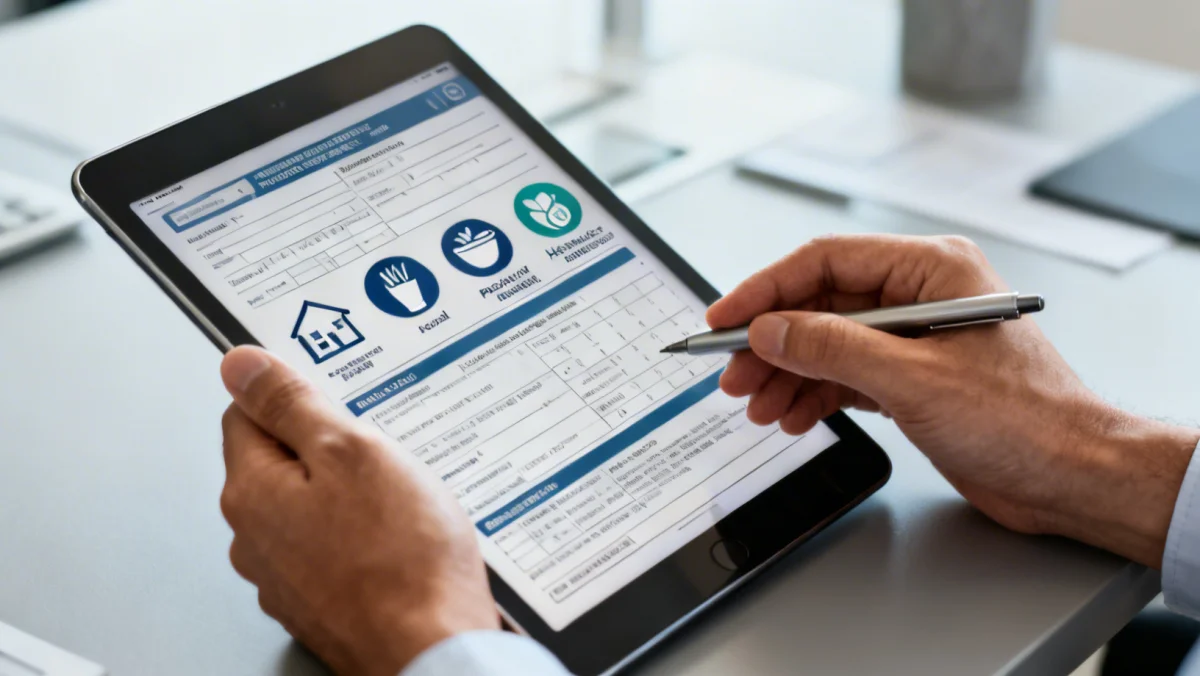
The application process for 2026 public assistance benefits has become increasingly digitized, aiming for greater efficiency and accessibility. While the specifics vary by program and state, a general roadmap can help you prepare and successfully submit your application.
Preparation is key. Gathering necessary documents and understanding the requirements before you begin can significantly reduce delays and frustration. Remember, accuracy in your application is paramount.
Necessary Documentation
Before you start, compile all relevant documents. This typically includes:
- Proof of identity (driver’s license, state ID, birth certificate).
- Proof of residency (utility bill, lease agreement).
- Proof of income (pay stubs, tax returns, unemployment benefits statements).
- Proof of assets (bank statements, property deeds).
- Social Security numbers for all household members.
- Medical records (if applying for disability-related benefits).
Having these documents readily available, ideally in digital format if applying online, will smooth the application process. Many agencies offer checklists to ensure you have everything needed.
The Application Process
Most applications can be completed online through state or federal portals. Some programs still offer mail-in or in-person application options. The process generally involves:
- Information Gathering: Collect all required personal, financial, and household details.
- Application Submission: Complete the application form accurately and submit it through the designated channel.
- Interview (if required): Some programs may require a phone or in-person interview to verify information.
- Documentation Submission: Provide copies of supporting documents as requested.
- Decision Notification: You will receive a written notification regarding the approval or denial of your benefits.
Be patient, as processing times can vary. If denied, you often have the right to appeal the decision, and understanding this process is part of advocating for your rights.
Advocacy and Resources: Maximizing Your 2026 Benefits
Beyond simply applying, understanding how to advocate for yourself and where to find additional resources can significantly impact your success in securing and maximizing 2026 public assistance benefits. Support networks and informed self-advocacy are powerful tools.
Many organizations exist specifically to help individuals navigate the complexities of public assistance. These resources can provide invaluable advice, legal aid, and direct assistance with applications or appeals.
Connecting with Support Organizations
Non-profit organizations, community centers, and legal aid societies often offer free services to help individuals understand and apply for benefits. They can clarify eligibility, assist with documentation, and even represent you in appeal hearings.
- Local Community Action Agencies: Provide a range of services, including utility assistance, housing counseling, and referrals to other programs.
- Legal Aid Societies: Offer free legal assistance for issues related to public benefits, including denials and appeals.
- Benefit Navigators: Individuals or organizations trained to help you understand and apply for various public assistance programs.
Don’t hesitate to reach out to these resources. Their expertise can make a significant difference in your journey to obtaining the support you need.
Future Outlook and Adaptability in 2026 Public Assistance
The landscape of 2026 public assistance benefits is not static; it is continually evolving to meet the dynamic needs of the population and respond to economic shifts. Adaptability and staying informed are critical for beneficiaries and advocates alike.
Ongoing legislative discussions, technological advancements, and economic indicators will continue to shape the future of these vital programs. Being proactive in seeking information and understanding potential changes is a practical solution for maintaining access to support.
Anticipated Trends and Policy Changes
Looking ahead, several trends are likely to influence public assistance. These include greater integration of AI in eligibility assessments, further emphasis on work support programs, and potentially new benefits tailored to emerging societal challenges.
Policy changes often occur at both federal and state levels. Keeping an eye on government websites, local news, and trusted benefit advocacy groups can provide early warnings about impending modifications that might affect your benefits. Understanding the ‘why’ behind these changes can also empower you to engage in informed discussions and advocacy efforts. The goal remains to create a more resilient and responsive safety net for all Americans.
| Key Benefit Area | Brief Description |
|---|---|
| Food Assistance | Programs like SNAP and WIC provide nutritional support to low-income individuals and families. |
| Housing & Utilities | Assistance for rent (Section 8) and energy costs (LIHEAP) helps secure stable living conditions. |
| Healthcare Coverage | Medicaid and CHIP ensure access to essential medical services for eligible populations. |
| Application Process | Digital platforms and documentation are key for efficient submission and eligibility verification. |
Frequently Asked Questions About 2026 Public Assistance Benefits
In 2026, public assistance benefits see increased digitization of applications, adjusted income thresholds based on economic indicators, and enhanced inter-agency data sharing. New pilot programs may also target specific demographic needs, aiming for more efficient and tailored support for eligible individuals and families.
Eligibility for 2026 benefits is primarily based on household income, size, and specific needs. You can determine your eligibility by reviewing program-specific requirements on official government websites, utilizing online eligibility screeners, or consulting with a benefits specialist at a local community action agency for personalized guidance.
Commonly required documents for 2026 benefits applications include proof of identity, residency, income (pay stubs, tax returns), and assets (bank statements). You’ll also need Social Security numbers for all household members and potentially medical records for disability-related benefits. Always check specific program checklists.
If your benefits application is denied, you typically have the right to appeal the decision. You can seek assistance from legal aid societies, local community action agencies, or benefit navigators. These organizations can help you understand the denial reason, gather further evidence, and represent you in the appeals process.
While core programs remain, 2026 may see the introduction of new pilot programs or adjustments to existing benefits. These could be influenced by emerging economic trends, technological advancements, or specific societal needs. Staying updated through government portals and advocacy groups is recommended for the latest information.
Conclusion
Navigating 2026 public assistance benefits requires a proactive and informed approach. This guide has illuminated the key aspects of eligibility, major programs, application processes, and the importance of advocacy. By understanding your rights and utilizing the available resources, individuals and families can effectively secure the support needed for stability and well-being. The evolving landscape of public assistance underscores the continuous need for vigilance and adaptability, ensuring that these vital safety nets remain accessible and responsive to the needs of the American populace.