EquityInSchools: Transforming Education for Every Student
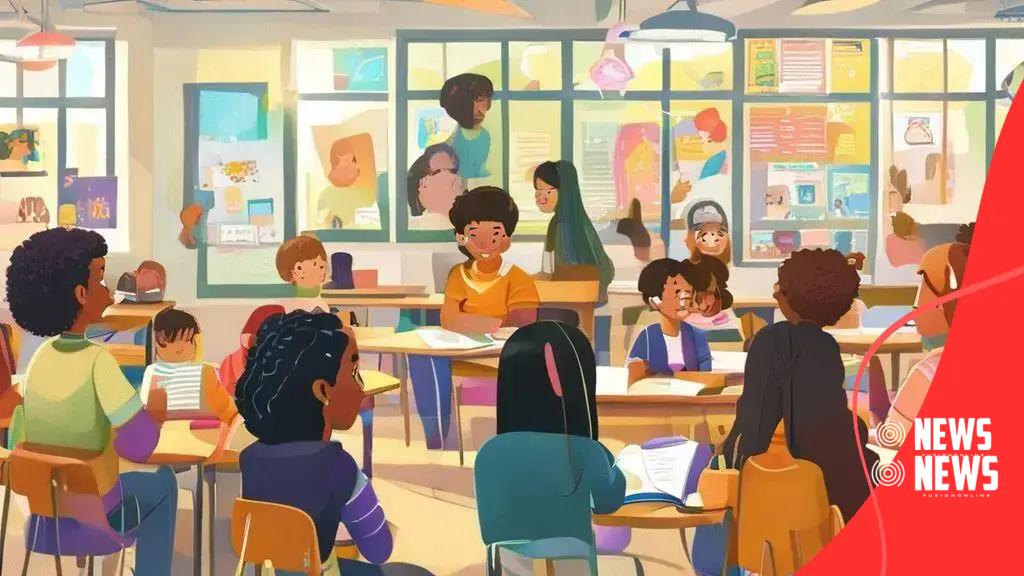
Equity in schools ensures every student has access to necessary resources and opportunities, addressing barriers through community support, inclusive curricula, and successful initiatives that foster an inclusive learning environment.
EquityInSchools is a vital concept that transforms how education is delivered, ensuring that every student has access to the resources they need. Have you wondered how this impacts students’ futures and school dynamics? Let’s dive into it.
Understanding equity in education
Understanding equity in education is crucial to ensure that every student receives the support they need to succeed. Many factors contribute to an equitable learning environment, including resources, opportunities, and the right to learn without barriers.
What is Educational Equity?
Educational equity means that all students have access to the same resources and opportunities, regardless of their background. It’s about recognizing that students come from different circumstances and might need different types of support to thrive.
Key Components of Equity in Education
- Access to Resources: Every student should have access to textbooks, technology, and qualified teachers.
- Fair Treatment: Students need to be treated with respect and dignity in all situations.
- Inclusive Practices: Classrooms should accommodate different learning styles and needs.
- Community Engagement: Schools should involve families and communities to support student success.
When we look at how equity plays out in schools, it’s essential to consider the barriers that some students face. These barriers can come from socioeconomic status, race, or even language differences. Addressing these issues requires collaboration among educators, parents, and community leaders.
Offering tailored support can help level the playing field for all students. For example, mentorship programs or additional tutoring can be effective for students who might struggle in traditional settings. Schools that adopt these measures often notice a significant difference in student engagement and success.
Moreover, it’s important for schools to continuously assess their practices and policies. Creating a culture focused on equity takes time and effort but leads to a more inclusive and nurturing environment. Regular training for teachers on equity issues can also make a significant difference in how education is delivered.
Barriers to achieving equity in schools
Barriers to achieving equity in schools are often complex and intertwined. Recognizing these obstacles is the first step toward creating a more fair education system for all students. These challenges can come from various sources, including societal factors and school policies.
Socioeconomic Factors
One major barrier is the socioeconomic status of students. Families with limited financial resources struggle to provide necessary materials and support for their children. This can lead to a disparity in educational experiences.
- Lack of Resources: Students may not have access to books, technology, or learning materials.
- Limited Parental Involvement: Parents working multiple jobs may find it hard to engage in school activities.
- Nutrition and Health: Food insecurity affects students’ ability to concentrate and learn effectively.
In addition to socioeconomic factors, school policies can unintentionally create barriers. Some policies may not account for the diverse needs of the student population, leading to inequalities. For example, standardized testing can favor students who have had more preparation resources, which disadvantages others.
Discrimination and Bias
Discrimination can also be a significant barrier to equity in education. Bias based on race, gender, or disability affects how students are treated in classrooms. It’s crucial for educators to recognize these biases to create a more inclusive environment.
Another challenge is teacher training and awareness. If educators aren’t trained to recognize and address disparities in their classrooms, they might miss opportunities to support all students. Implementing professional development focused on equity can help teachers develop the necessary skills.
Creating partnerships with community organizations can also help mitigate barriers. These organizations can provide additional resources and support that schools may lack. Collaboration shifts the focus towards holistic student development rather than just academic achievement.
Strategies for promoting equity in classrooms

Strategies for promoting equity in classrooms are essential for creating a supportive environment where all students can thrive. Implementing these strategies helps ensure that every student, no matter their background, receives the help they need to succeed.
Creating an Inclusive Curriculum
An inclusive curriculum is one that reflects the diversity of the students in the classroom. This means incorporating materials that represent various cultures, perspectives, and histories. By doing this, all students can see themselves in what they learn. When students relate to the content, they become more engaged.
- Diverse Literature: Include books from authors of various backgrounds.
- Real-World Examples: Use examples that resonate with students’ own experiences.
- Flexible Assessments: Offer multiple ways for students to demonstrate their learning.
Additionally, fostering a classroom environment that encourages open discussions about equity is vital. Students should feel safe to voice their thoughts and experiences. Establishing ground rules for respectful communication helps facilitate this kind of dialogue.
Building Strong Relationships
Strong relationships between teachers and students can significantly impact academic success. When students feel valued and understood, they are more likely to engage in their learning. Taking the time to learn about each student’s strengths, interests, and challenges builds trust and connection.
Regular one-on-one check-ins can help students feel supported. During these conversations, teachers can encourage students to share their feelings and any obstacles they are facing. This support is crucial for creating a sense of belonging in the classroom.
Another effective strategy is to involve families and communities. Communication with parents can provide insights into students’ lives outside of school. Schools can organize events that invite families to engage with educators and participate in their children’s education actively. This partnership can enhance the overall learning experience.
The role of community in school equity
The role of community in school equity is a vital aspect that significantly influences the educational experiences of students. Community support can enhance resources and opportunities, making a difference in achieving equity.
Building Partnerships
Establishing partnerships between schools and local organizations can help address the needs of students. These collaborations can provide additional resources, such as tutoring, mentorship, and emotional support. When community members are involved, students benefit from diverse perspectives and expertise.
- Local Businesses: Can offer internships and job shadowing opportunities.
- Non-Profit Organizations: Provide after-school programs and specialized services.
- Parents and Families: Their involvement leads to better student outcomes.
Creating a strong connection between schools and families also contributes to equity. When parents feel welcomed and valued, they are more likely to engage in their children’s education. Communication is key, and schools can foster this by organizing community events.
Advocacy and Awareness
The community can play an important role in advocating for policies that promote equity in education. When residents work together to raise awareness about educational disparities, they can influence local decision-makers. Public forums, town hall meetings, and social media campaigns can be effective ways to discuss challenges and solutions.
Moreover, community involvement helps ensure that educational resources are distributed fairly. Residents can hold schools accountable for providing equal opportunities to all students, highlighting concerns related to funding and resource allocation. When communities work alongside schools, they create a shared vision of educational success for every child.
Success stories of equity initiatives
Success stories of equity initiatives illustrate how schools and communities can work together to create positive change. These stories highlight innovative solutions that promote fairness and support for all students.
Case Study: Improved Access to Resources
One successful initiative involved a school district that implemented a program providing free meals and school supplies to low-income students. By addressing basic needs, the district found that overall student performance improved significantly. Students could focus better in class, leading to higher test scores and increased attendance rates.
- Before the Program: Many students came to school hungry and unprepared.
- After Implementation: Reports showed a noticeable improvement in grades and engagement.
- Community Feedback: Parents expressed gratitude for the support, allowing them to focus on other challenges.
Additionally, a mentorship program pairing students with local professionals proved effective in building confidence and skills. Students gained invaluable insights into different careers, ultimately expanding their future opportunities. Many participants reported feeling more motivated to pursue their education after being mentored.
Collaboration with Local Organizations
Another inspiring story comes from a community that partnered with local nonprofits to offer after-school programs focusing on academic support and enrichment. These programs provided resources like tutoring, arts, and sports activities. As a result, students had higher engagement levels and fewer behavioral issues.
Parents began to notice a positive change in their children. They reported improved behavior at home, and many shared stories of increased enthusiasm for school. This collaboration not only benefited students but also strengthened community ties.
These success stories encourage other districts and communities to adopt similar initiatives, reminding everyone that equity in education is attainable through dedication, creativity, and collaboration. Sharing such examples helps inspire more positive changes in various regions, fostering a culture of inclusivity and support.
FAQ – Frequently Asked Questions About Equity in Schools
What is educational equity?
Educational equity means that every student has access to the resources and opportunities they need to succeed, regardless of their background.
How can communities support equity in education?
Communities can support equity by partnering with schools to provide resources, mentoring, and after-school programs that meet students’ diverse needs.
What are some examples of successful equity initiatives?
Successful initiatives include free meal programs, mentorship pairings between students and professionals, and community collaboration for after-school activities.
Why is parental involvement important for school equity?
Parental involvement helps create a strong support system for students, leading to better engagement, performance, and opportunities for all children.