CDC Warns: Winter 2026 Seasonal Illnesses Up 20% – Prevention Strategies
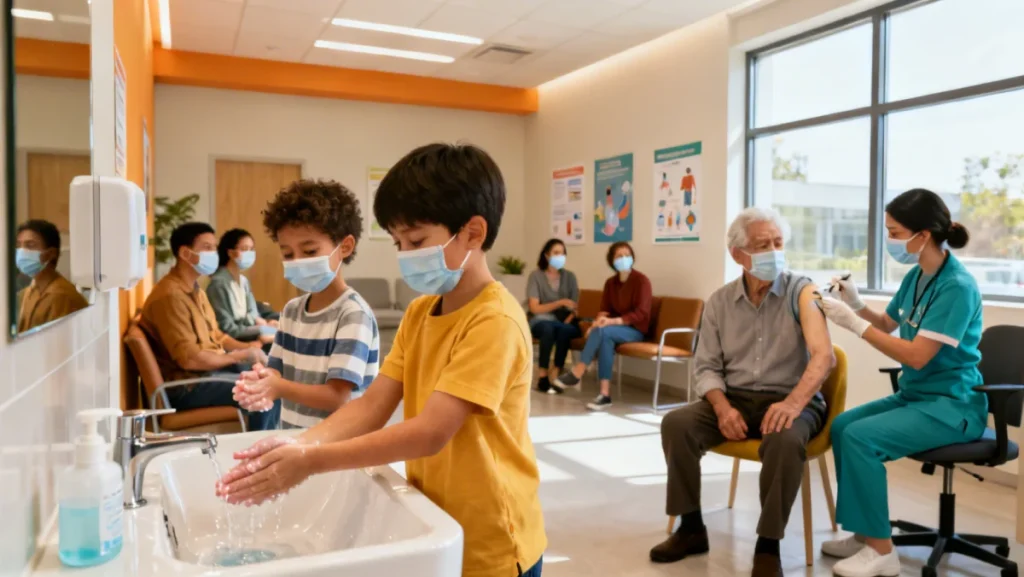
The Centers for Disease Control and Prevention (CDC) projects a 20% increase in seasonal illnesses for Winter 2026, necessitating immediate and robust public health prevention strategies to safeguard communities.
As we approach Winter 2026, the Centers for Disease Control and Prevention (CDC) has issued a critical warning: a projected 20% increase in seasonal illnesses. This forecast of a potential public health crisis: CDC reports 20% increase in seasonal illnesses projected for Winter 2026 – prevention strategies is not merely a statistic but a call to action, demanding our collective attention and proactive measures.
Understanding the Looming Winter 2026 Health Challenge
The CDC’s projection for Winter 2026 signals a significant public health challenge, with seasonal illnesses expected to surge dramatically. This anticipated rise encompasses a range of common respiratory viruses, including influenza, RSV, and potentially new or evolving strains of other pathogens, creating a complex landscape for public health officials and individual citizens alike.
Understanding the factors contributing to this predicted increase is crucial for developing effective prevention strategies. These factors often include evolving viral strains, waning immunity from previous seasons, and societal behaviors that can either mitigate or exacerbate transmission rates. The interplay of these elements makes forecasting and preparedness particularly vital.
Factors Contributing to Increased Projections
Several interconnected factors underpin the CDC’s somber forecast for Winter 2026. These include the natural evolution of viruses, which can lead to new variants that bypass existing immunity, as well as changes in population-level immunity. Furthermore, global travel patterns and environmental shifts can influence the spread and severity of seasonal outbreaks.
- Viral Evolution: Viruses constantly mutate, leading to new strains that may evade prior immunity or vaccine effectiveness.
- Waning Immunity: Over time, immunity from past infections or vaccinations can decrease, making individuals more susceptible.
- Behavioral Changes: Shifts in social distancing practices, travel, and mask-wearing can impact transmission dynamics.
- Environmental Factors: Colder temperatures often drive people indoors, increasing close contact and viral spread.
The CDC emphasizes that a multi-faceted approach is necessary to address these contributing elements. This involves not only medical interventions but also community engagement and robust public health communication campaigns. The goal is to empower individuals with the knowledge and tools to protect themselves and their families.
In conclusion, the projected 20% increase in seasonal illnesses for Winter 2026 is a complex issue driven by viral evolution, immunity dynamics, and behavioral patterns. A comprehensive understanding of these factors is the first step toward effective prevention.
Key Prevention Strategies: Vaccination and Immunization
Vaccination remains the cornerstone of any effective strategy to combat seasonal illnesses, especially in the face of a projected 20% increase for Winter 2026. Immunization programs are designed to build a protective barrier within communities, reducing the incidence and severity of infections. The CDC strongly advocates for widespread vaccination as the most impactful individual and collective defense.
The importance of staying up-to-date with recommended vaccines cannot be overstated. This includes not only the annual flu shot but also any boosters for other respiratory viruses that may be advised by public health authorities. These vaccines are continually updated to target the most prevalent strains, offering the best possible protection.
The Role of Annual Influenza Vaccination
Every year, the influenza virus presents a moving target, requiring an updated vaccine to match the circulating strains. For Winter 2026, the annual flu shot will be particularly critical given the CDC’s projections. Getting vaccinated not only protects the individual but also contributes to herd immunity, safeguarding vulnerable populations.
- Reduces Severity: Even if vaccinated individuals contract the flu, symptoms are typically milder, reducing hospitalizations.
- Prevents Spread: High vaccination rates decrease overall viral circulation in the community.
- Protects Vulnerable Groups: Infants, the elderly, and immunocompromised individuals benefit greatly from herd immunity.
Public health campaigns will focus on making vaccination accessible and encouraging timely uptake across all eligible age groups. Addressing vaccine hesitancy through accurate information and trusted sources will be a key component of these efforts.
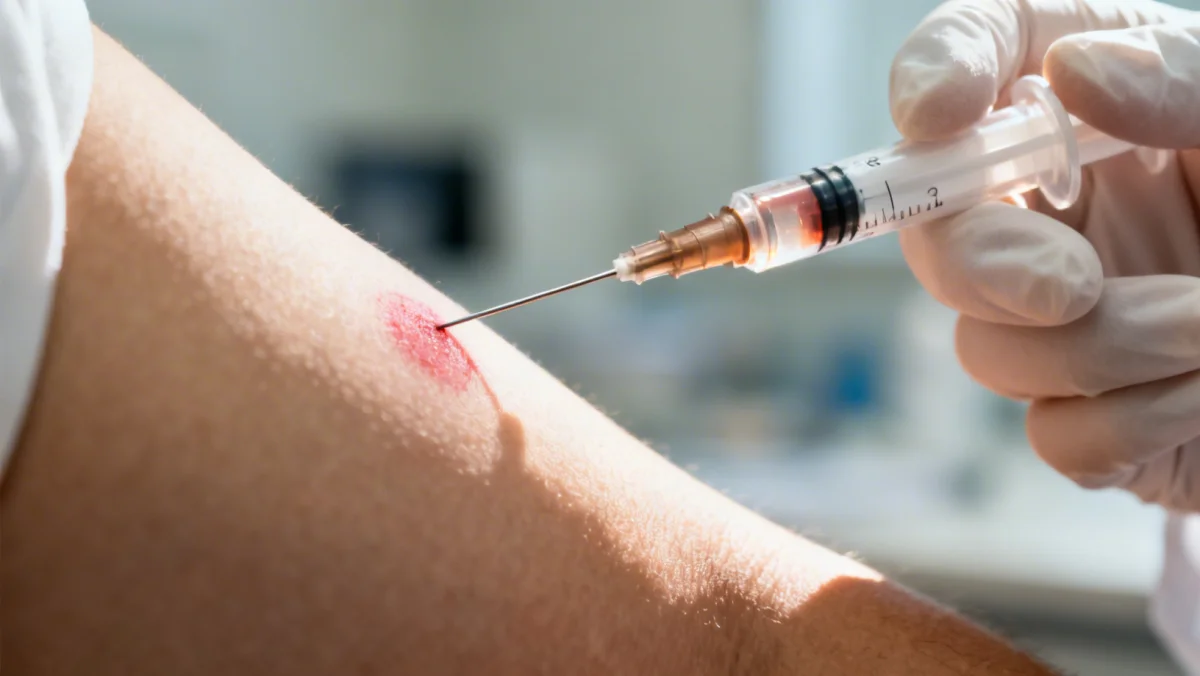
Beyond influenza, vigilance regarding other recommended immunizations, such as those for RSV in specific populations, will also be vital. The CDC’s guidance will evolve as more data becomes available, making it essential for the public to stay informed about the latest recommendations.
In summary, robust vaccination and immunization programs are fundamental to mitigating the impact of the projected rise in seasonal illnesses. Proactive engagement with these programs is a shared responsibility.
Reinforcing Personal Hygiene and Public Health Practices
Beyond vaccination, adherence to strong personal hygiene practices and community-wide public health measures forms a crucial layer of defense against seasonal illnesses, especially with the CDC’s forecast for Winter 2026. Simple, consistent actions can significantly disrupt transmission chains and protect everyone.
These practices are not new, but their consistent application becomes even more critical during periods of high viral activity. They represent accessible and effective ways for every individual to contribute to the broader public health effort, reducing the burden on healthcare systems.
Importance of Hand Hygiene and Respiratory Etiquette
Frequent and thorough handwashing remains one of the most effective ways to prevent the spread of respiratory viruses. Using soap and water for at least 20 seconds, especially after coughing, sneezing, or being in public spaces, can remove pathogens before they can be transmitted.
- Handwashing: Use soap and water for at least 20 seconds, or an alcohol-based hand sanitizer with at least 60% alcohol if soap and water are not available.
- Covering Coughs and Sneezes: Use a tissue or the inside of your elbow, then dispose of the tissue immediately.
- Avoiding Face Touching: Minimize touching your eyes, nose, and mouth, as this is a common route for virus entry.
Respiratory etiquette, such as covering coughs and sneezes, is equally important in preventing the airborne spread of droplets containing viruses. These practices, when widely adopted, create a safer environment for everyone.
Furthermore, public health advisories will likely reinforce the importance of staying home when sick, to prevent further transmission. This simple act of self-isolation is a powerful tool in curbing the spread of infectious diseases. Employers and schools play a vital role in supporting these measures through flexible policies.
To conclude, maintaining rigorous personal hygiene and adhering to recommended public health practices are indispensable tools in mitigating the projected increase in seasonal illnesses for Winter 2026. These collective efforts safeguard community health.
Strategic Public Health Communication and Education
Effective public health communication and education are paramount in preparing communities for the projected 20% increase in seasonal illnesses in Winter 2026. The CDC and local health departments must convey clear, consistent, and actionable information to the public, fostering trust and encouraging compliance with preventative measures.
Communicating complex health information in an understandable and accessible manner is a significant challenge. It requires tailored messaging for diverse populations, utilizing various platforms to reach the widest possible audience. The goal is to empower individuals to make informed decisions about their health and the health of their communities.
Disseminating Accurate Information and Combating Misinformation
In an age of rapid information spread, public health agencies face the dual task of disseminating accurate, science-backed guidance while actively combating misinformation. Clear, factual messages from trusted sources are essential to build public confidence and ensure adherence to prevention strategies.
- Trusted Sources: Emphasize information from official bodies like the CDC, local health departments, and reputable medical professionals.
- Multilingual Campaigns: Ensure health information is available in multiple languages to reach diverse communities.
- Digital and Traditional Media: Utilize social media, news outlets, community forums, and public service announcements for broad reach.
- Community Engagement: Partner with local leaders and organizations to share information effectively within specific communities.
Educational initiatives will also focus on explaining the rationale behind public health recommendations, such as the benefits of vaccination and the importance of hygiene. Understanding the ‘why’ can significantly increase adherence.
Moreover, public health communication strategies will need to be agile, adapting to new scientific findings and evolving public concerns. Regular updates and transparent reporting will be key to maintaining credibility throughout the winter season.
Ultimately, robust public health communication and education are critical for a coordinated response to the anticipated surge in seasonal illnesses, ensuring that communities are well-informed and prepared.
Strengthening Healthcare System Preparedness for 2026
The projected 20% increase in seasonal illnesses for Winter 2026 places significant pressure on healthcare systems. Strengthening preparedness is crucial to ensure that hospitals, clinics, and public health infrastructure can effectively manage the surge in patient demand without becoming overwhelmed. This involves strategic planning, resource allocation, and workforce readiness.
Healthcare preparedness goes beyond just having enough beds; it encompasses staffing, equipment, supply chains, and the ability to adapt quickly to evolving patient needs. A resilient healthcare system is vital for maintaining standards of care during periods of heightened demand.
Enhancing Hospital Capacity and Resource Management
Hospitals must review and enhance their surge capacity plans, ensuring they can accommodate a significant influx of patients. This includes optimizing bed management, potentially expanding temporary care sites, and securing adequate supplies of critical medications and personal protective equipment (PPE).
- Staffing Levels: Ensure sufficient healthcare personnel, including doctors, nurses, and support staff, are available and trained.
- Supply Chain Resilience: Maintain robust inventories of medications, vaccines, and PPE to prevent shortages.
- Telehealth Expansion: Utilize telehealth services to manage less severe cases, reducing the burden on emergency departments.
- Data Monitoring: Implement advanced systems for real-time tracking of illness trends and hospital capacity.
Beyond acute care, primary care facilities and community health centers also play a critical role in managing less severe cases, providing vaccinations, and offering guidance on prevention. Their capacity to absorb patient demand can significantly alleviate pressure on hospitals.
Furthermore, inter-agency coordination between local, state, and federal health authorities will be essential for a unified response. Sharing data, best practices, and resources can optimize the overall healthcare system’s ability to respond effectively.
In conclusion, robust healthcare system preparedness is a non-negotiable imperative for Winter 2026, ensuring that communities receive the care they need during a period of projected increased seasonal illness.
Community Engagement and Individual Responsibility
Facing the CDC’s projection of a 20% increase in seasonal illnesses for Winter 2026, community engagement and individual responsibility emerge as foundational pillars of a successful prevention strategy. While public health agencies provide guidance, the collective actions of individuals and communities ultimately determine the scale of impact.
A truly resilient public health response is built on active participation from every segment of society. This involves understanding the risks, adopting recommended behaviors, and supporting community-wide initiatives designed to protect the most vulnerable among us.
Fostering a Culture of Shared Health Responsibility
Encouraging a culture where health is seen as a shared responsibility is crucial. This means individuals not only protect themselves but also consider the impact of their actions on others, particularly those who are more susceptible to severe illness. It’s about moving beyond individualistic approaches to a collective understanding of well-being.
- Self-Monitoring: Pay attention to symptoms and seek medical advice promptly if unwell.
- Supporting Vulnerable Neighbors: Offer assistance to elderly or immunocompromised individuals, helping them access resources.
- Workplace and School Policies: Advocate for and adhere to policies that support staying home when sick and promote healthy environments.
- Community Volunteering: Participate in local health initiatives, such as vaccination drives or public awareness campaigns.
Community leaders, local businesses, and educational institutions have a significant role to play in fostering this culture. By promoting healthy practices, providing resources, and creating supportive environments, they can amplify the reach and effectiveness of public health messages.
The concept of ‘social contracts’ around health becomes particularly relevant during such times, where individuals tacitly agree to certain behaviors for the greater good of the community. This collective commitment can substantially reduce transmission rates and ease the burden on healthcare facilities.
In essence, community engagement and individual responsibility are not merely supplementary but integral to navigating the challenges of a projected surge in seasonal illnesses, ensuring a healthier Winter 2026 for all.
Looking Ahead: Long-Term Resilience and Adaptability
As we confront the immediate challenge of a projected 20% increase in seasonal illnesses for Winter 2026, it is equally important to look ahead and cultivate long-term resilience and adaptability within our public health framework. This forward-thinking approach ensures that communities are better prepared for future health crises, whatever their nature.
Building long-term resilience involves continuous investment in public health infrastructure, ongoing research into pathogens, and developing flexible response mechanisms. It recognizes that health threats are dynamic and require an equally dynamic defense.
Investing in Future Public Health Infrastructure
Sustained investment in public health departments, research institutions, and healthcare facilities is fundamental. This includes funding for surveillance systems, laboratory capabilities, and a well-trained public health workforce. These investments are not merely expenses but vital safeguards for societal well-being.
- Enhanced Surveillance: Develop advanced systems for early detection and tracking of emerging pathogens.
- Research and Development: Fund ongoing research into new vaccines, treatments, and diagnostic tools.
- Workforce Training: Invest in training and retaining skilled public health professionals and healthcare workers.
- Community-Level Preparedness: Support local initiatives that build community capacity for health responses.
Furthermore, fostering international collaboration in public health is critical. Global health threats require global solutions, and sharing data, research, and resources across borders can significantly enhance preparedness and response capabilities.
The lessons learned from past public health challenges, including the recent pandemic, must be integrated into future planning. This continuous learning cycle is essential for adapting strategies and improving outcomes. It’s about building a system that can evolve with the threats it faces.
In conclusion, moving beyond the immediate Winter 2026 projections, a commitment to long-term resilience and adaptability in public health ensures a safer, healthier future for communities navigating an ever-changing landscape of health challenges.
| Key Aspect | Brief Description |
|---|---|
| CDC Projection | 20% increase in seasonal illnesses for Winter 2026. |
| Key Prevention | Widespread vaccination and consistent personal hygiene. |
| Healthcare Readiness | Strengthening hospital capacity and resource management. |
| Community Role | Individual responsibility and community engagement are crucial. |
Frequently Asked Questions About Winter 2026 Illnesses
The CDC projects an increase across various common respiratory viruses, including influenza (flu), Respiratory Syncytial Virus (RSV), and potentially other seasonal pathogens. New variants or evolving strains could also contribute to the surge, making broad preventative measures essential for public health.
Key strategies include getting recommended vaccinations, such as the annual flu shot, practicing excellent hand hygiene, covering coughs and sneezes, and staying home when feeling unwell. Avoiding close contact with sick individuals and ensuring good ventilation indoors also helps reduce risk.
The prediction considers factors like viral evolution, potential waning immunity from previous seasons, and societal behavioral patterns. These elements, combined with historical data and epidemiological models, suggest a higher likelihood of increased transmission and illness severity compared to recent winters.
Vaccines are the most effective tool for preventing severe illness, hospitalization, and death from many seasonal viruses. High vaccination rates create community immunity, protecting not only vaccinated individuals but also those who cannot be vaccinated, such as infants or immunocompromised persons.
If you experience symptoms, it’s crucial to stay home to prevent further spread. Contact your healthcare provider for guidance on testing and treatment options. Follow their advice regarding isolation, symptom management, and when it’s safe to return to work or school to protect others.
Conclusion
The CDC’s projection of a 20% increase in seasonal illnesses for Winter 2026 serves as a stark reminder of the persistent challenges in public health. Addressing this anticipated surge requires a concerted effort, integrating robust vaccination campaigns, rigorous personal hygiene, strategic public health communication, enhanced healthcare system preparedness, and a strong sense of community and individual responsibility. By proactively implementing these multifaceted prevention strategies, we can collectively mitigate the impact of the upcoming winter season, safeguarding the health and well-being of our communities and fostering long-term resilience against future health threats.