Career Pathways 2026: Aligning Education with US Industries
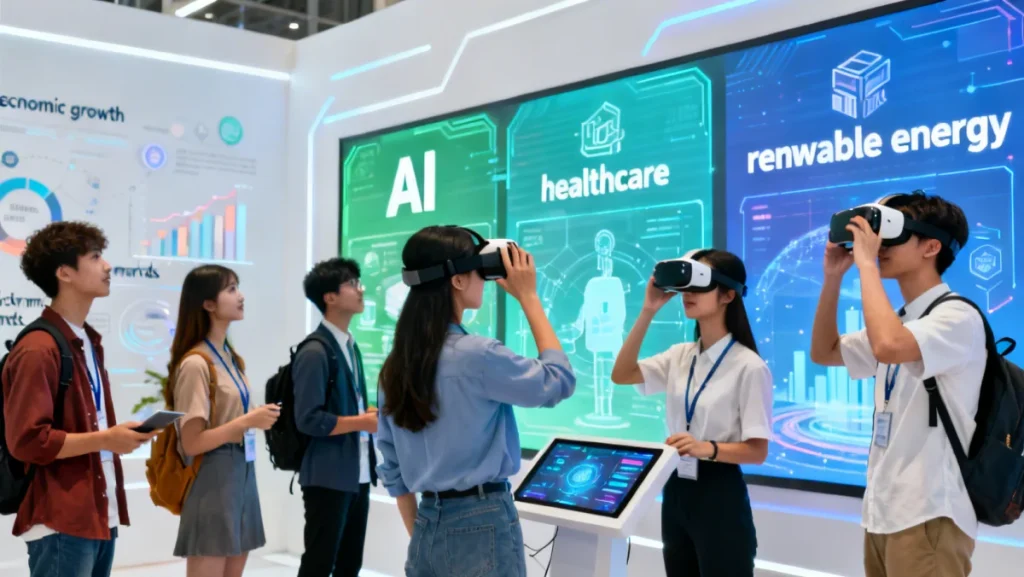
The US job market in 2026 is rapidly evolving, demanding that individuals strategically align their education with high-growth sectors such as technology, healthcare, and green energy to secure relevant and impactful career pathways.
As we approach 2026, understanding the shifting landscape of the US job market is more crucial than ever. To thrive professionally, individuals must strategically navigate their educational choices to align with burgeoning sectors. This article delves into the critical area of career pathways in 2026, offering insights into high-demand industries and how to tailor your education for success in a dynamic economy.
The Evolving US Job Market: What to Expect by 2026
The United States job market is a constantly moving entity, shaped by technological advancements, demographic shifts, and global economic trends. By 2026, several key sectors are projected to experience significant growth, creating new opportunities and redefining existing roles. Understanding these shifts is the first step toward building a resilient and rewarding career.
Automation and artificial intelligence continue to reshape industries, leading to a demand for new skill sets. Traditional roles may diminish, but new ones focused on AI development, data analysis, and human-AI collaboration will emerge. Furthermore, an aging population is fueling an ever-increasing need for healthcare professionals, while climate change concerns are driving investment and innovation in green technologies. These overarching trends paint a clear picture of where future opportunities lie.
Key Drivers of Job Growth
- Technological innovation (AI, automation, cybersecurity)
- Demographic changes (aging population, increased healthcare needs)
- Environmental concerns (renewable energy, sustainability)
- Globalization and supply chain modernization
The confluence of these factors means that adaptability and continuous learning will be paramount. Education is no longer a one-time event but a lifelong journey, especially when aiming to align with the fastest-growing sectors. Individuals who proactively identify these trends and prepare accordingly will be best positioned for success.
In conclusion, the 2026 job market promises both challenges and immense opportunities. Staying informed about the underlying forces driving economic change and anticipating future skill requirements is fundamental for anyone looking to forge a successful career path.
High-Demand Industries and Their Educational Imperatives
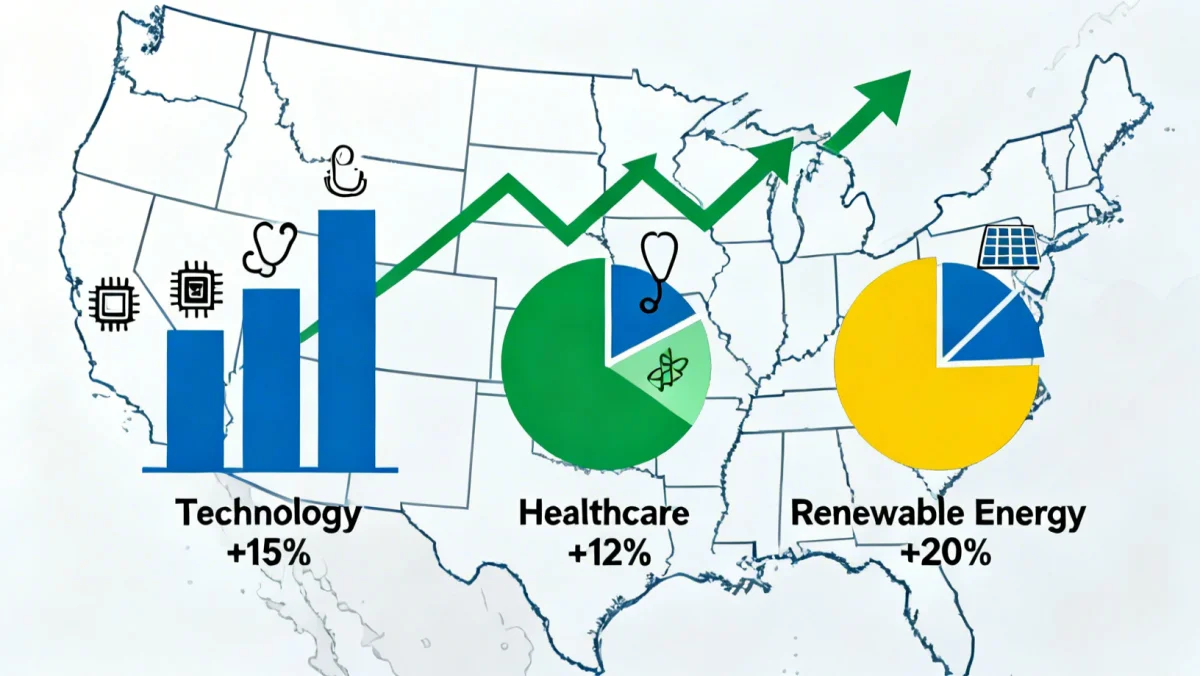
Identifying the industries poised for substantial growth is crucial for strategic educational planning. While technology remains a dominant force, other sectors are experiencing a renaissance, offering diverse career paths. Aligning your education with these high-demand areas ensures that your skills are relevant and sought after.
The healthcare sector, for example, is consistently expanding due to an aging demographic and advancements in medical science. Roles ranging from specialized nurses and therapists to health informatics specialists are in high demand. Similarly, the renewable energy sector is booming, creating a need for engineers, project managers, and skilled technicians in solar, wind, and geothermal power.
Technology and Digital Transformation
The technology sector continues its rapid expansion, driven by innovations in artificial intelligence, machine learning, data science, and cybersecurity. These fields require specialized knowledge and continuous skill development.
- Artificial Intelligence (AI) and Machine Learning: Demand for AI engineers, machine learning specialists, and data scientists is skyrocketing. A strong foundation in computer science, mathematics, and statistics is essential, often supplemented by advanced degrees or specialized certifications.
- Cybersecurity: With increasing digital threats, cybersecurity analysts and ethical hackers are critical. Degrees in cybersecurity, information technology, or computer science with a focus on security protocols are highly valued.
- Cloud Computing: As businesses migrate to cloud-based solutions, cloud architects, engineers, and administrators are indispensable. Certifications from major cloud providers (AWS, Azure, Google Cloud) are often as important as formal degrees.
Beyond technical skills, soft skills such as problem-solving, critical thinking, and adaptability are highly prized in these fast-paced environments. Educational programs that integrate project-based learning and real-world applications provide a significant advantage.
Healthcare and Life Sciences: A Growing Need for Expertise
The healthcare and life sciences sectors are experiencing sustained growth, fueled by an aging population, advancements in medical technology, and increased public health awareness. These industries offer stable and impactful career opportunities that require specialized education and continuous professional development.
From direct patient care to research and development, the scope of roles is vast. Nurses, physicians, and allied health professionals are always in demand, but there’s also a rising need for professionals in health informatics, medical technology, and biotechnology research. Educational pathways for these roles typically involve rigorous academic programs and often require licensure or certification.
Diverse Roles in Healthcare
The healthcare landscape is evolving to include more specialized and technologically driven positions.
- Registered Nurses (RNs) and Nurse Practitioners (NPs): A Bachelor of Science in Nursing (BSN) is becoming the standard, with advanced degrees (MSN, DNP) opening doors to NP roles.
- Physical Therapists and Occupational Therapists: Doctorate degrees (DPT, OTD) are typically required, preparing professionals to assist patients in regaining mobility and independence.
- Medical and Health Services Managers: A Master of Health Administration (MHA) or an MBA with a healthcare concentration is often sought after to lead healthcare facilities and departments.
- Biomedical Engineers: These professionals combine engineering principles with medical sciences to design and develop healthcare equipment and devices. A bachelor’s or master’s degree in biomedical engineering is usually necessary.
The life sciences, encompassing fields like pharmacology, genetics, and bioinformatics, also present significant opportunities. Research positions in biotechnology firms and pharmaceutical companies require strong scientific backgrounds, often at the doctoral level. The interdisciplinary nature of these fields means that a blend of biological, chemical, and computational skills is highly advantageous.
In summary, the healthcare and life sciences sectors offer robust career prospects for those dedicated to rigorous education and continuous learning. The demand for skilled professionals across various specializations ensures a dynamic and rewarding environment for growth.
Green Economy and Sustainability: Building a Sustainable Future
The global push towards sustainability and renewable energy has transformed the job market, creating a burgeoning green economy. This sector is not just about environmental protection; it encompasses a wide array of industries focused on energy efficiency, sustainable resource management, and eco-friendly innovations. Educational alignment with these areas positions individuals at the forefront of building a more sustainable future.
From renewable energy production to sustainable urban planning and conservation, the green economy demands a diverse skill set. Professionals in this field often bridge scientific knowledge with engineering principles, policy development, and business acumen. The growth in this sector is driven by both environmental necessity and economic incentives, making it a stable and expanding area for career development.
Emerging Roles in the Green Sector
The green economy is generating new and exciting career paths that require specialized training.
- Renewable Energy Engineers: Specializing in solar, wind, or geothermal energy, these engineers design, develop, and maintain renewable energy systems. Degrees in electrical, mechanical, or environmental engineering, often with a specialization in renewable energy, are common.
- Environmental Scientists and Specialists: These professionals work to protect human health and the environment. They may focus on policy, remediation, or conservation. A bachelor’s or master’s degree in environmental science, ecology, or a related field is typical.
- Sustainability Consultants: Advising businesses and organizations on sustainable practices, these consultants help reduce environmental impact and improve efficiency. Backgrounds in business, environmental management, or engineering are beneficial, often complemented by certifications in sustainability.
- Energy Auditors: Assessing energy use in buildings and recommending improvements for efficiency, these professionals play a crucial role in reducing carbon footprints. Training in HVAC, building science, or energy management is highly relevant.
Beyond technical skills, an understanding of environmental policy, economics, and public engagement is increasingly important. Many educational institutions now offer dedicated programs in sustainability, environmental engineering, and renewable energy, providing tailored curricula for aspiring professionals in this vital sector.
To conclude, the green economy offers dynamic career opportunities for those passionate about making a positive impact on the planet. Investing in education and skills relevant to sustainability ensures a future-proof career in an industry that is only set to expand.
Education and Training Pathways for Tomorrow’s Workforce
Navigating the complex landscape of future job markets requires thoughtful consideration of educational and training pathways. The traditional four-year degree remains valuable, but it is no longer the sole route to success. A blend of formal education, vocational training, and continuous upskilling is becoming the norm, reflecting the rapid pace of industrial change.
Community colleges and technical schools play a vital role in preparing individuals for specific trades and technical roles within high-demand industries. These institutions often offer hands-on training and industry-recognized certifications that can lead directly to employment. Furthermore, online learning platforms and bootcamps provide flexible options for acquiring specialized skills and adapting to new technologies.
Diverse Educational Avenues
- Traditional University Degrees: Bachelor’s and Master’s degrees in fields like Computer Science, Engineering, Health Sciences, and Environmental Studies continue to be foundational for many advanced roles.
- Vocational and Technical Training: Programs in areas such as renewable energy technician roles, cybersecurity support, and specialized healthcare assistants offer practical skills for immediate employment.
- Certifications and Micro-credentials: Industry-specific certifications (e.g., AWS Certified Solutions Architect, CompTIA Security+, Project Management Professional) are increasingly recognized as valuable credentials, often providing a competitive edge.
- Online Learning and Bootcamps: Platforms like Coursera, edX, and specialized coding bootcamps offer intensive, focused training in high-demand skills, often with a quicker turnaround than traditional degrees.
Moreover, the concept of lifelong learning is gaining prominence. Professionals are expected to continuously update their skills to remain relevant in their fields. This might involve taking short courses, attending workshops, or pursuing advanced degrees later in their careers. Employers are increasingly looking for candidates who demonstrate a commitment to continuous personal and professional development.
Ultimately, the most effective educational strategy is a personalized one, combining formal qualifications with practical experience and a commitment to ongoing learning. This flexible approach ensures that individuals can adapt to new challenges and seize emerging opportunities in the evolving job market.
Strategies for Aligning Your Education with Industry Needs
Successfully aligning your education with high-demand US industries requires a proactive and strategic approach. It’s not enough to simply choose a popular major; you must understand the specific skills employers are seeking and tailor your academic and extracurricular experiences accordingly. This involves research, networking, and a willingness to adapt your learning journey.
One key strategy is to engage in experiential learning. Internships, co-op programs, and volunteer work in your target industry provide invaluable real-world experience that complements classroom learning. These experiences not only enhance your resume but also help you build a professional network and gain insights into industry culture and expectations.
Actionable Steps for Educational Alignment
- Industry Research: Regularly consult labor market reports, industry publications, and professional associations to identify emerging trends and skill gaps.
- Skill Gap Analysis: Compare the skills you are acquiring through your education with those most frequently listed in job descriptions for your desired roles. Identify any gaps and seek out opportunities to bridge them through additional courses, certifications, or self-study.
- Networking: Connect with professionals in your target industries through informational interviews, LinkedIn, and industry events. Their insights can be invaluable for understanding current needs and future directions.
- Portfolio Development: For creative and technical fields, a strong portfolio showcasing your projects, coding skills, or design work can be more impactful than grades alone.
- Soft Skill Development: Don’t underestimate the importance of communication, teamwork, problem-solving, and critical thinking. These universally valued skills are often honed through group projects, leadership roles, and diverse experiences.
Furthermore, consider programs that offer interdisciplinary studies or allow for minors and concentrations in complementary fields. For example, a computer science major with a minor in business analytics or a healthcare management degree with a focus on data science can create a unique and highly desirable skill set. The goal is to create a versatile educational background that makes you adaptable to various roles within your chosen industry.
In conclusion, aligning your education with industry needs is an ongoing process that demands diligence and foresight. By actively researching, gaining practical experience, and continuously developing both hard and soft skills, you can effectively position yourself for success in the competitive US job market of 2026 and beyond.
The Role of Continuous Learning and Adaptability
In an era of rapid technological advancement and economic shifts, continuous learning and adaptability are no longer just desirable traits but essential survival skills for career longevity. The idea that a single degree will suffice for an entire career is largely outdated. Professionals must embrace a mindset of lifelong learning to remain competitive and relevant in the evolving US job market.
This commitment to ongoing education extends beyond formal qualifications. It includes staying abreast of industry news, participating in professional development workshops, and even engaging in self-directed learning through online resources. The ability to quickly acquire new skills and adjust to changing job requirements is what sets successful individuals apart.
Strategies for Lifelong Learning
- Stay Informed: Regularly read industry journals, attend webinars, and follow thought leaders in your field.
- Embrace New Technologies: Be open to learning and utilizing new software, tools, and platforms as they emerge.
- Seek Feedback: Actively solicit feedback on your performance and skills to identify areas for improvement and growth.
- Develop a Growth Mindset: View challenges as opportunities for learning and development, rather than obstacles.
- Cross-Functional Skill Acquisition: Learn skills outside your immediate specialization to broaden your capabilities and increase your versatility.
Adaptability also involves a willingness to pivot career directions if necessary. The skills gained in one industry or role can often be transferable to another, especially with supplemental training. For example, a project manager in manufacturing might transition to managing projects in renewable energy with some specialized knowledge. This flexibility is crucial for navigating unforeseen market changes.
Moreover, employers increasingly value candidates who demonstrate a proactive approach to learning and problem-solving. Showcasing your commitment to personal and professional growth can significantly enhance your employability. This could involve highlighting certifications, personal projects, or even volunteer work that demonstrates your ability to learn and apply new knowledge.
Ultimately, a career in 2026 and beyond will be defined by an individual’s capacity to learn, unlearn, and relearn. By prioritizing continuous education and cultivating a highly adaptable mindset, professionals can ensure their career pathways remain vibrant and responsive to the demands of the future.
| Key Trend | Brief Description |
|---|---|
| AI & Automation Growth | Increased demand for AI/ML specialists, data scientists, and cybersecurity experts across industries. |
| Healthcare Expansion | Aging population and medical advancements drive need for nurses, therapists, and health informatics. |
| Green Economy Surge | Renewable energy, sustainability, and environmental protection roles are rapidly increasing. |
| Lifelong Learning | Continuous skill development and adaptability are crucial for career relevance and growth. |
Frequently Asked Questions About Career Pathways in 2026
The top high-demand industries for 2026 include technology (especially AI, machine learning, and cybersecurity), healthcare and life sciences, and the green economy (renewable energy and sustainability). These sectors are experiencing significant growth due to innovation, demographic shifts, and environmental concerns.
Aligning your education involves choosing relevant degrees, vocational training, or certifications. Focus on interdisciplinary studies, gain practical experience through internships, and continuously update your skills through online courses or bootcamps to meet evolving industry demands effectively.
Yes, traditional four-year degrees remain highly relevant, especially for foundational knowledge in fields like computer science, engineering, and health sciences. However, they are often complemented by specialized certifications, practical experience, and a commitment to lifelong learning to stay competitive.
Continuous learning is paramount. The rapid pace of technological change means skills become outdated quickly. Engaging in ongoing education, whether through formal courses, workshops, or self-study, ensures professionals remain adaptable, relevant, and capable of seizing new opportunities in their chosen career pathways.
Soft skills such as critical thinking, problem-solving, communication, and adaptability are incredibly important. While technical skills are essential, employers increasingly seek candidates who can collaborate effectively, innovate, and navigate complex challenges. These skills are often honed through diverse experiences and continuous practice.
Conclusion
The landscape of career pathways in 2026 for US industries is dynamic and rich with opportunity for those prepared to meet its demands. By strategically aligning educational choices with high-growth sectors such as technology, healthcare, and the green economy, individuals can build resilient and rewarding careers. Embracing continuous learning, seeking practical experience, and cultivating adaptability are not just advisable but essential for navigating the complexities of the future job market. The proactive pursuit of relevant skills and knowledge will undoubtedly pave the way for sustained professional success in the years to come.