2026 Housing Assistance Rules: What 500,000 Families Can Expect

The 2026 housing assistance benefits introduce significant changes, directly affecting approximately 500,000 families across the United States with updated eligibility criteria, application processes, and benefit structures designed to enhance support and streamline access.
As we approach 2026, significant transformations are set to reshape the landscape of housing assistance in the United States. These new rules for 2026 housing assistance benefits are designed to impact an estimated 500,000 families, bringing both opportunities and challenges. Understanding these recent updates is crucial for current beneficiaries and those seeking support.
Understanding the Core Changes in 2026 Housing Assistance
The year 2026 marks a pivotal moment for federal housing programs, with a comprehensive overhaul aimed at improving efficiency and equity. These changes are not merely administrative; they reflect a broader strategy to address persistent housing insecurity and make benefits more accessible to those who need them most.
The primary goal is to ensure that housing assistance programs are sustainable, responsive to economic shifts, and genuinely impactful. This involves reassessing funding allocations, updating eligibility criteria, and streamlining the application process to reduce bureaucratic hurdles.
Revised Eligibility Criteria
One of the most significant aspects of the 2026 updates is the revision of eligibility criteria. These changes are intended to better target assistance to families facing the most severe housing challenges, while also adapting to evolving economic conditions. Families should carefully review these new guidelines to determine their continued qualification.
- Income Threshold Adjustments: The income limits for various programs will be updated to reflect current median incomes in different regions, potentially expanding or narrowing the pool of eligible households.
- Asset Limitations: New rules may introduce stricter or more flexible asset limitations, influencing whether certain savings or properties affect eligibility.
- Family Composition: Definitions of what constitutes a qualifying household might be refined, impacting multi-generational families or non-traditional family structures.
These adjustments are crucial for families to understand, as they directly determine who can access these vital benefits. Preparing for these changes by gathering necessary documentation and understanding potential impacts on one’s specific situation will be key.
Impact on 500,000 Families: What to Expect
The projected impact on 500,000 families underscores the broad reach of these new policies. While some families may find themselves newly eligible or receiving enhanced benefits, others might need to adapt to altered support levels or explore alternative resources. Proactive engagement with housing authorities will be essential for navigating these transitions smoothly.
For many, these changes represent an opportunity for more stable and secure housing. For others, it might mean a period of uncertainty as they adjust to new requirements and benefit structures. The government aims to provide clear communication channels and support services to ease this transition for all affected families.
Benefit Calculation Modifications
How housing assistance benefits are calculated is also undergoing significant revision. These modifications aim to create a more equitable distribution of aid, factoring in regional cost of living and specific family needs more accurately. This could lead to varying benefit amounts, depending on individual circumstances and geographic location.
- Regional Cost of Living Index: Benefits may now be more closely tied to the actual cost of housing in a specific area, ensuring that assistance is more effective.
- Dependent Allowances: Adjustments to allowances for children, elderly dependents, or individuals with disabilities could alter total benefit amounts.
- Employment Incentives: New provisions might encourage employment by gradually phasing out benefits as income increases, rather than creating a sudden cliff effect.
These calculation changes are designed to make benefits fairer and more responsive to the diverse needs of families across the country. Understanding these nuances will help families better plan their finances and housing solutions.
Navigating the New Application Process and Documentation
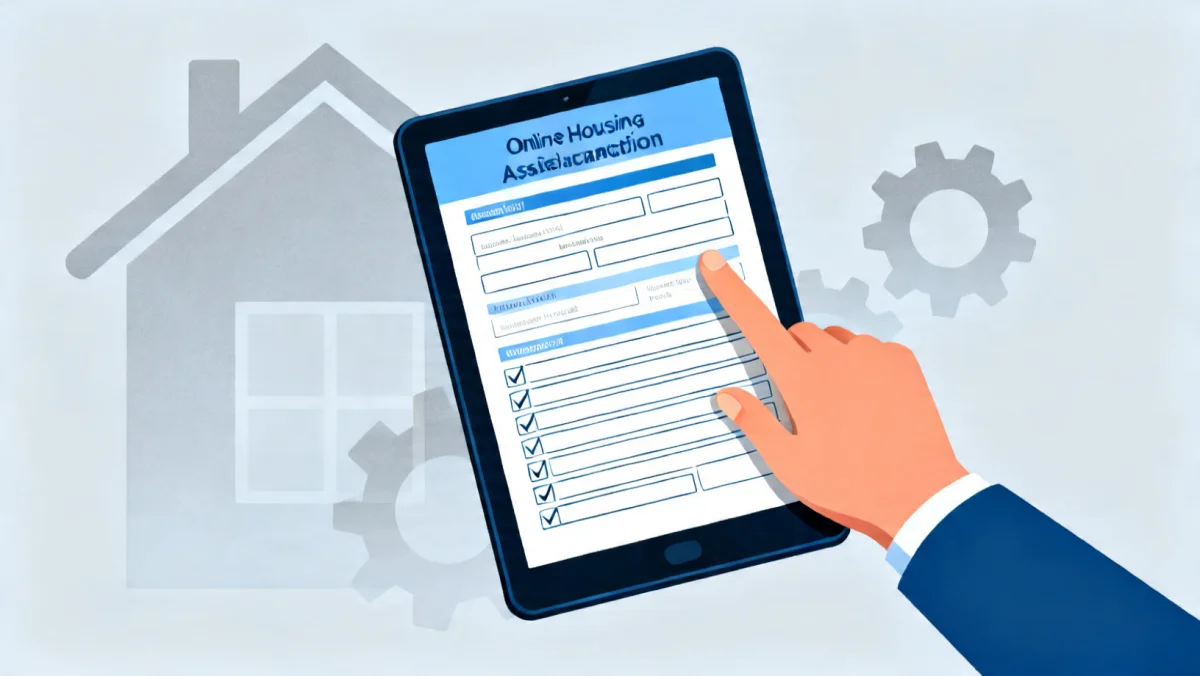
A significant focus of the 2026 updates is streamlining the application and re-certification processes. The aim is to reduce administrative burdens for both applicants and housing authorities, making it easier to apply for and maintain housing assistance. This includes a greater emphasis on digital platforms and standardized documentation requirements.
Families will likely encounter new forms, online portals, and revised submission guidelines. Familiarizing oneself with these changes early on can prevent delays and ensure a smoother application experience.
Digital Application Platforms
The shift towards digital application platforms is a cornerstone of the 2026 reforms. Many housing authorities will be transitioning to online portals for initial applications, re-certifications, and document submissions. This move is expected to enhance efficiency and accessibility.
- Online Portals: Centralized online systems will allow families to apply, upload documents, and track their application status remotely.
- Digital Document Submission: The ability to submit required documents digitally will reduce the need for physical paperwork and in-person visits.
- Secure Communication: Enhanced secure messaging systems within these platforms will facilitate direct communication with housing counselors.
While this digital transformation offers convenience, it also highlights the need for digital literacy and access to reliable internet for all applicants. Support services will be crucial for those who may face challenges with new digital tools.
Key Policy Shifts and Their Rationale
Beyond the practical changes in eligibility and application, the 2026 housing assistance reforms are underpinned by significant policy shifts. These changes are driven by a desire to address systemic issues in housing, promote self-sufficiency, and ensure that federal resources are utilized effectively. Understanding the rationale behind these shifts can help families anticipate long-term trends and prepare accordingly.
Policymakers are responding to lessons learned from past programs, economic analyses, and feedback from communities. The goal is to build a more resilient and responsive housing support system that can adapt to future challenges.
Emphasis on Self-Sufficiency Programs
A notable policy shift is the increased emphasis on programs that promote self-sufficiency. This means integrating housing assistance with opportunities for education, job training, and financial literacy. The aim is not just to provide housing but to empower families to achieve long-term economic stability.
- Work Requirement Incentives: Some programs may introduce incentives or soft requirements linked to employment or participation in educational programs.
- Financial Literacy Workshops: Access to workshops on budgeting, saving, and credit building will be offered to help beneficiaries manage their finances more effectively.
- Partnerships with Workforce Development: Housing authorities may forge stronger partnerships with local workforce development agencies to connect beneficiaries with job opportunities.
These initiatives reflect a holistic approach to housing support, recognizing that stable housing is often intertwined with economic opportunity. Families who engage with these programs may find themselves in a stronger position for future independence.
Resources and Support for Families Affected by Updates
Recognizing the potential complexities of these changes, federal and local agencies are committed to providing robust resources and support for affected families. This includes clear communication about the new rules, access to counseling services, and assistance with the application process. Families should actively seek out these resources to ensure a smooth transition.
Information will be disseminated through various channels, including official government websites, community centers, and direct mail. Staying informed and utilizing available support systems will be crucial for navigating the 2026 changes.
Where to Find Reliable Information
Identifying reliable sources of information is paramount. Official government websites, local housing authorities, and accredited non-profit organizations will be the primary channels for accurate and up-to-date details regarding the new rules. Beware of unofficial sources that may provide misleading information.
- HUD.gov: The official website for the U.S. Department of Housing and Urban Development will be a central hub for federal guidelines and program details.
- Local Housing Authorities: Your local Public Housing Authority (PHA) will provide specific information relevant to your region, including application deadlines and local program variations.
- Community Organizations: Many non-profit organizations offer free counseling and assistance with housing applications and understanding benefits.
Proactive research and engagement with official channels will empower families to make informed decisions and access the support they need during this period of transition.
Preparing for the Future: Long-Term Outlook
The 2026 housing assistance reforms are not merely a temporary adjustment but a foundation for the future of housing support in the United States. These changes aim to create a more resilient, equitable, and efficient system that can adapt to evolving societal and economic needs. For families, this means understanding not just the immediate changes but also the long-term implications for housing stability and opportunity.
The government’s vision is to foster communities where every family has access to safe, affordable housing, and the support systems to thrive. This forward-looking perspective encourages families to engage with the new programs as a pathway to greater stability.
Anticipating Further Developments
While the 2026 rules are comprehensive, the housing landscape is dynamic. Families should remain vigilant for further developments, potential pilot programs, and additional support initiatives that may emerge. Government policies often evolve in response to feedback and real-world outcomes.
- Pilot Programs: New experimental programs may be launched in specific regions to test innovative approaches to housing assistance.
- Legislative Adjustments: Ongoing legislative discussions could lead to further refinements or expansions of housing benefits in the years following 2026.
- Community Feedback: Official channels for providing feedback on the effectiveness of the new rules may become available, allowing families to contribute to future policy decisions.
Staying connected with housing advocacy groups and official updates will ensure families are well-prepared for any future changes and can continue to access the support they need to secure their housing future.
| Key Update Area | Brief Description |
|---|---|
| Eligibility Criteria | Income and asset limits are being revised to better target assistance to needy families. |
| Application Process | Increased reliance on digital platforms for applications, re-certifications, and document submission. |
| Benefit Calculation | New formulas will consider regional cost of living and specific family needs more accurately. |
| Self-Sufficiency Focus | Greater emphasis on linking housing aid with education, job training, and financial literacy programs. |
Frequently Asked Questions About 2026 Housing Benefits
Approximately 500,000 families currently receiving or applying for federal housing assistance in the United States will be directly impacted by the new rules, which include revised eligibility and benefit structures.
Eligibility criteria will see adjustments to income thresholds and asset limitations, aiming to better align with current economic realities and target assistance more effectively to families with the greatest need.
The application process is shifting towards digital platforms, with new online portals for initial applications, re-certifications, and secure document submission to enhance efficiency and accessibility for applicants.
Yes, benefit calculation methods are being modified to more accurately reflect regional costs of living and individual family needs, potentially leading to varied benefit amounts across different locations and households.
Families should consult official sources like HUD.gov, their local Public Housing Authority (PHA), and accredited non-profit organizations for accurate information, counseling, and application assistance regarding the 2026 changes.
Conclusion
The new rules for 2026 housing assistance benefits represent a significant evolution in how the United States supports its most vulnerable families. With an estimated 500,000 families directly impacted, these recent updates underscore a commitment to creating a more equitable, efficient, and responsive housing support system. While changes to eligibility, application processes, and benefit calculations may require adaptation, the overarching goal is to foster greater housing stability and facilitate pathways to self-sufficiency. By staying informed through official channels and actively engaging with available resources, families can confidently navigate these reforms and secure their housing future in the years to come.