Federal Grants Launch 2026 for Transit Modernization
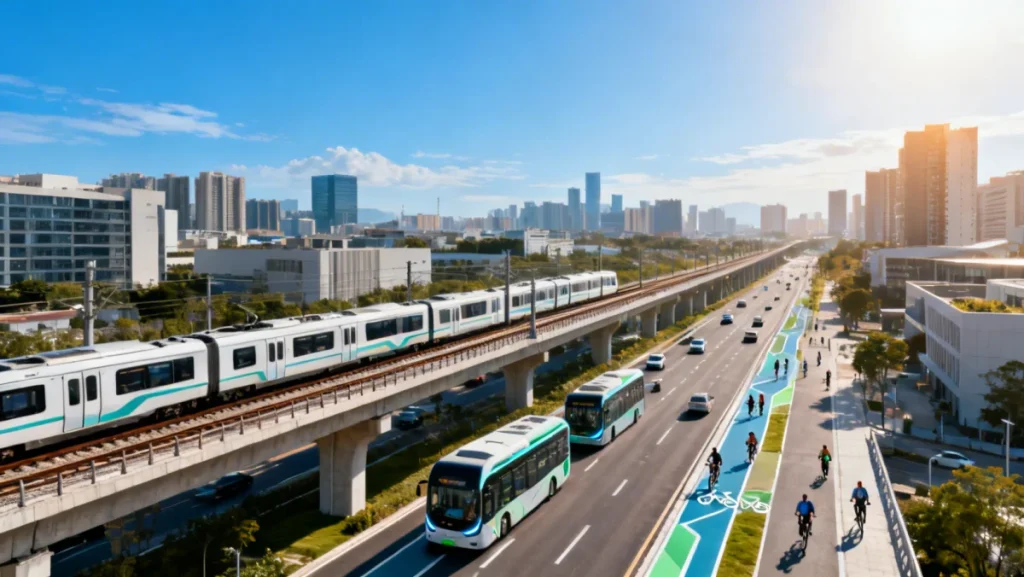
New federal grant programs are set to launch in Q1 2026, providing crucial funding to upgrade and modernize public transit systems across the United States, aiming for enhanced efficiency and accessibility.
The landscape of urban mobility is on the cusp of a significant transformation as new federal grant programs are poised to launch in Q1 2026, specifically designed to accelerate transportation modernization: new federal grant programs launch in Q1 2026 to upgrade public transit systems. This initiative promises to inject vital funds into public transit networks across the United States, fostering innovation, sustainability, and improved passenger experiences.
Understanding the Need for Public Transit Modernization
Public transit systems across the United States face numerous challenges, from aging infrastructure to increasing demand for efficient, sustainable, and accessible transportation options. The existing frameworks often struggle to keep pace with technological advancements and evolving urban development needs. This necessitates a comprehensive overhaul, not just in terms of physical assets but also in operational strategies and user experience.
Many cities currently contend with outdated train cars, inefficient bus fleets, and stations that lack modern amenities or accessibility features. These issues contribute to longer commute times, reduced reliability, and a diminished appeal for public transportation compared to private vehicles. The goal of modernization extends beyond simply replacing old equipment; it aims to create an integrated, resilient, and user-centric transit ecosystem.
The Economic and Environmental Imperatives
Investing in public transit modernization carries significant economic and environmental benefits. Economically, it can stimulate local job markets through infrastructure projects, reduce household transportation costs, and enhance regional competitiveness by improving access to employment centers. Environmentally, modern transit systems, especially those incorporating electric or hydrogen-powered vehicles, can drastically cut carbon emissions and improve air quality in urban areas, aligning with broader climate goals.
- Economic Growth: Job creation in construction, manufacturing, and technology sectors.
- Reduced Congestion: Alleviates traffic, saving time and fuel for commuters.
- Environmental Benefits: Lower emissions, improved air quality, and reduced carbon footprint.
- Enhanced Accessibility: Better access to jobs, education, and healthcare for all demographics.
The push for modernization also acknowledges the shifting demographics and travel patterns post-pandemic. Public transit must adapt to hybrid work models, the growth of e-commerce, and the increasing preference for multimodal journeys. This requires flexible service offerings, real-time information, and seamless integration with other transportation modes, such as ride-sharing, cycling, and walking infrastructure. The federal grants arriving in 2026 are designed to address these multifaceted requirements comprehensively.
Key Objectives of the New Federal Grant Programs
The upcoming federal grant programs launching in Q1 2026 are structured around several core objectives aimed at holistic public transit improvement. These objectives are not merely aspirational but are backed by specific funding criteria designed to ensure tangible, measurable outcomes across participating transit agencies. The overarching goal is to foster a new era of public transportation that is efficient, equitable, and environmentally sound.
One primary objective is to accelerate the adoption of clean energy technologies within transit fleets. This includes significant investments in electric buses, charging infrastructure, and other zero-emission vehicle options. The aim is to reduce reliance on fossil fuels, thereby cutting operational costs and contributing to national climate targets. This move is expected to have a transformative impact on urban air quality.
Enhancing Accessibility and Equity
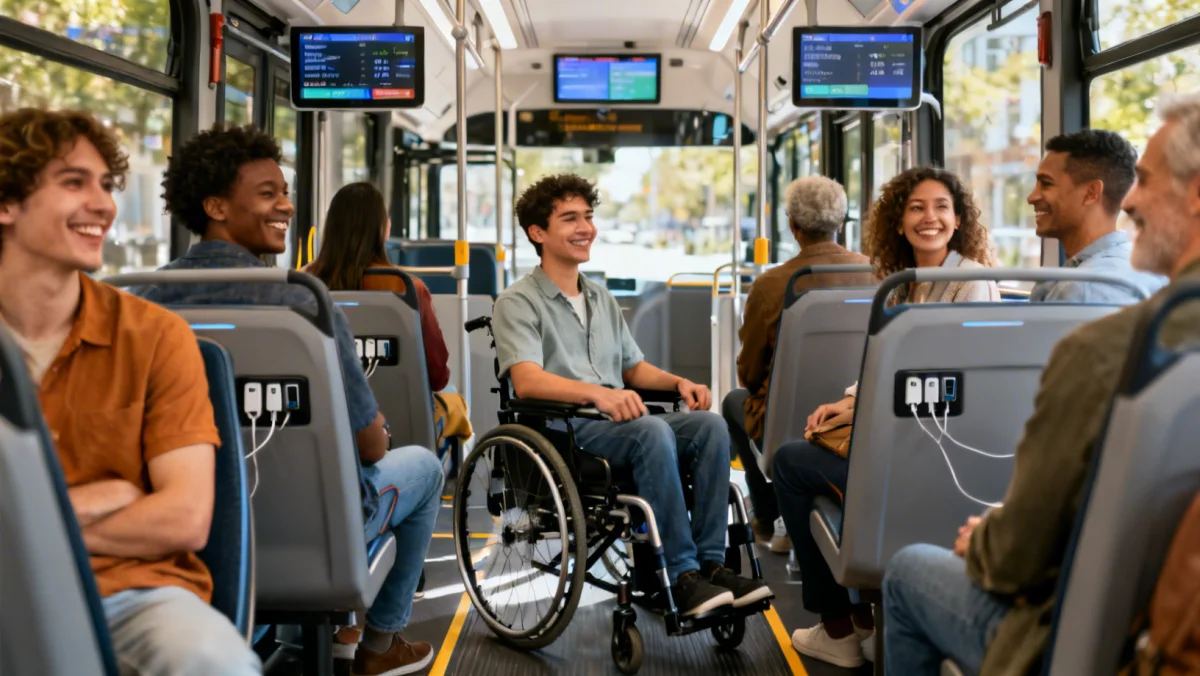
Another critical objective focuses on improving accessibility and promoting equity across transit networks. This means ensuring that public transportation is readily available and usable by individuals of all abilities, including those with disabilities. Funding will support projects that upgrade stations, vehicles, and pathways to meet or exceed ADA (Americans with Disabilities Act) standards, making transit a viable option for everyone.
- Zero-Emission Fleets: Funding for electric buses and charging stations.
- ADA Compliance: Upgrades to make all transit facilities fully accessible.
- Digital Integration: Development of smart ticketing, real-time tracking, and journey planning apps.
- Community Connectivity: Projects that link underserved communities to essential services.
Furthermore, the grants aim to foster technological innovation, encouraging transit agencies to integrate smart solutions such as AI-driven route optimization, predictive maintenance systems, and advanced passenger information displays. These technologies can significantly enhance operational efficiency, improve reliability, and provide a more seamless experience for riders. The federal government recognizes that modern transit is not just about hardware but also about smart, data-driven management.
Eligibility and Application Process for Transit Agencies
As the Q1 2026 launch approaches for the new federal grant programs, transit agencies nationwide are keenly awaiting detailed guidelines on eligibility and the application process. These programs are designed to be inclusive, yet rigorous, ensuring that funding is allocated to projects that demonstrate a clear vision, strong community impact, and robust implementation plans. Understanding the nuances of these requirements will be crucial for successful applications.
Typically, eligibility for such federal grants extends to state departments of transportation, metropolitan planning organizations (MPOs), local government authorities, and public transit agencies. However, specific program criteria may vary, potentially prioritizing certain types of projects or geographic areas. Agencies will need to demonstrate their capacity to manage federal funds, comply with environmental regulations, and adhere to labor standards.
Key Application Components
The application process is expected to be comprehensive, requiring detailed proposals that outline project scope, budget, timeline, and anticipated outcomes. Agencies will likely need to provide compelling justifications for their proposed projects, demonstrating how they align with the program’s objectives, such as enhancing safety, promoting sustainability, or improving equity. Community engagement and stakeholder support will also be significant factors.
- Project Narrative: Clear description of the project, its goals, and community benefits.
- Detailed Budget: Comprehensive financial plan, including matching funds if required.
- Implementation Plan: Realistic timeline and strategy for project execution.
- Performance Metrics: How the project’s success will be measured and reported.
Agencies are encouraged to begin preliminary planning now, identifying potential projects that align with the anticipated federal priorities. This includes conducting feasibility studies, engaging with local communities, and forming partnerships with technology providers or other transit authorities. The competitive nature of these grants means that well-prepared, thoroughly researched applications will have a significant advantage in securing funding for their modernization efforts.
Anticipated Impact on Urban and Rural Communities
The launch of new federal grant programs in Q1 2026 is expected to deliver a profound and widespread impact on both urban and rural communities across the United States. While urban centers often receive more attention for transit initiatives, these grants are designed to address the unique transportation challenges faced by diverse populations, ensuring that modernization benefits extend beyond metropolitan cores.
In urban areas, the grants will likely lead to a noticeable upgrade in service quality and efficiency. This could manifest as more frequent and reliable bus and train schedules, the introduction of new routes to underserved neighborhoods, and the deployment of advanced vehicles that offer a quieter, cleaner, and more comfortable ride. Reduced traffic congestion and improved air quality will be tangible benefits for city dwellers.
Bridging the Rural Transit Gap
For rural communities, the impact could be even more transformative. Federal funding can help establish new transit services where none currently exist, providing essential links to healthcare, employment, and educational opportunities that are often geographically dispersed. This can significantly improve the quality of life for residents who may lack access to private transportation, fostering greater social and economic inclusion.
- Urban Benefits: Enhanced service frequency, reduced congestion, and cleaner air.
- Rural Benefits: New transit options, improved access to essential services, and economic opportunities.
- Regional Connectivity: Better links between towns and cities, supporting regional economies.
- Community Revitalization: Transit-oriented development around new or upgraded stations.
The modernization efforts are also expected to stimulate local economies by creating jobs in infrastructure development, maintenance, and technology. Furthermore, improved transit can attract businesses and residents, leading to community revitalization and sustainable growth. By fostering interconnected and accessible transportation networks, these grants will play a pivotal role in shaping the future livability and prosperity of American communities.
Technological Innovations Driving Transit Upgrades
The upcoming federal grant programs are not just about repairing old infrastructure; they are a catalyst for integrating cutting-edge technological innovations into public transit systems. These advancements are crucial for creating future-proof networks that are efficient, responsive, and capable of meeting the evolving demands of passengers and urban environments. From smart systems to sustainable solutions, technology is at the forefront of this modernization wave.
One of the most significant areas of innovation is the widespread adoption of electric and autonomous vehicles. Federal funding will support the acquisition of electric buses and trains, along with the necessary charging and maintenance infrastructure. This transition not only reduces carbon emissions but also lowers operational costs in the long run. Autonomous technology, while still developing, could enhance safety and optimize route efficiency in designated corridors.
Smart Infrastructure and Data Analytics
Beyond vehicles, smart infrastructure components are set to revolutionize how transit systems operate. This includes intelligent traffic signals that prioritize public transport, smart sensors embedded in tracks and roads for predictive maintenance, and integrated payment systems that offer seamless travel across different modes. Data analytics will play a pivotal role, allowing transit agencies to analyze ridership patterns, predict demand, and optimize service delivery in real-time.
- Electrification: Transition to electric buses and trains, reducing fossil fuel dependence.
- Autonomous Tech: Exploration of self-driving capabilities for enhanced safety and efficiency.
- Predictive Maintenance: AI-powered systems to anticipate and prevent equipment failures.
- Seamless Payments: Unified digital payment platforms for a streamlined user experience.
The integration of advanced communication systems, such as 5G connectivity, will also enable real-time information dissemination to passengers, including accurate arrival times, service alerts, and personalized journey planning. These technological advancements collectively aim to create a public transit experience that is not only highly functional but also intuitive, convenient, and attractive to a broader segment of the population, fundamentally changing urban mobility.
Long-Term Vision and Sustainable Growth
The launch of the new federal grant programs in Q1 2026 represents more than just a short-term investment in infrastructure; it embodies a long-term vision for sustainable growth and resilient public transit systems across the United States. These programs are designed to lay the groundwork for future generations, ensuring that urban and rural areas alike have access to modern, environmentally friendly, and efficient transportation options that can adapt to future challenges.
A key aspect of this long-term vision is fostering sustainability. This includes not only the transition to zero-emission vehicles but also the implementation of energy-efficient designs for stations and maintenance facilities, along with the adoption of renewable energy sources to power transit operations. The goal is to create systems that have a minimal environmental footprint and contribute positively to climate resilience efforts.
Building Resilient Transit Networks
Another crucial element is building resilience into transit networks. This involves designing infrastructure that can withstand the impacts of climate change, such as extreme weather events, and implementing technologies that allow for rapid recovery from disruptions. Redundant systems, flexible operational protocols, and robust cybersecurity measures will be integral to ensuring continuous service and passenger safety.
- Climate Resilience: Infrastructure designed to withstand environmental challenges.
- Energy Independence: Greater reliance on renewable energy for transit operations.
- Economic Vitality: Sustained growth and opportunity through improved connectivity.
- Future-Proofing: Investments in scalable and adaptable technologies.
Ultimately, these federal grants aim to create a legacy of accessible, equitable, and sustainable public transportation that serves as a backbone for community development and economic prosperity. By encouraging innovation and strategic planning, the programs seek to transform public transit from a mere utility into a dynamic and attractive choice for millions of Americans, fostering a greener, more connected future for the nation.
| Key Point | Brief Description |
|---|---|
| Grant Launch | New federal grants for public transit modernization begin Q1 2026. |
| Core Objectives | Focus on clean energy, accessibility, and technological innovation. |
| Impact | Enhances urban and rural connectivity, spurs economic growth. |
| Long-Term Vision | Sustainable growth and resilient transit for future generations. |
Frequently Asked Questions about Transit Grants
The new federal grant programs dedicated to upgrading public transit systems are scheduled to officially launch in the first quarter of 2026. This timeline allows transit agencies sufficient preparation to understand the requirements and develop robust proposals, ensuring a smooth and effective rollout of the funding initiatives.
These grants will primarily fund projects aimed at modernizing public transit, including the adoption of zero-emission vehicles, improvements in accessibility for all passengers, integration of smart technologies like real-time tracking, and upgrades to aging infrastructure. The focus is on creating more efficient, sustainable, and user-friendly transit systems nationwide.
Eligibility for these grants typically extends to state departments of transportation, metropolitan planning organizations, local government entities, and public transit agencies. Specific criteria will be outlined closer to the launch date, emphasizing the capacity to manage federal funds and adhere to project objectives and compliance standards.
For rural communities, these grants are expected to be transformative, enabling the establishment of new transit services or significant enhancements to existing ones. This will improve access to essential services such as healthcare, employment, and education, fostering greater social and economic inclusion for residents who often face transportation barriers.
The long-term vision is to create sustainable, resilient, and equitable public transit systems that support community development and economic prosperity for decades to come. This involves fostering environmental sustainability through clean energy, building infrastructure capable of withstanding future challenges, and ensuring continuous access to modern transportation.
Conclusion
The impending launch of new federal grant programs in Q1 2026 marks a pivotal moment for public transit in the United States. These initiatives promise to usher in an era of unprecedented modernization, addressing critical needs from aging infrastructure to environmental sustainability and equitable access. By strategically investing in clean energy, advanced technology, and resilient networks, the federal government aims to transform public transportation into a cornerstone of vibrant, connected, and prosperous communities nationwide. The success of these programs will undoubtedly redefine urban and rural mobility, creating a lasting legacy for future generations.