Immigration Policy Changes: Congress Debates New Visa Categories for 2026
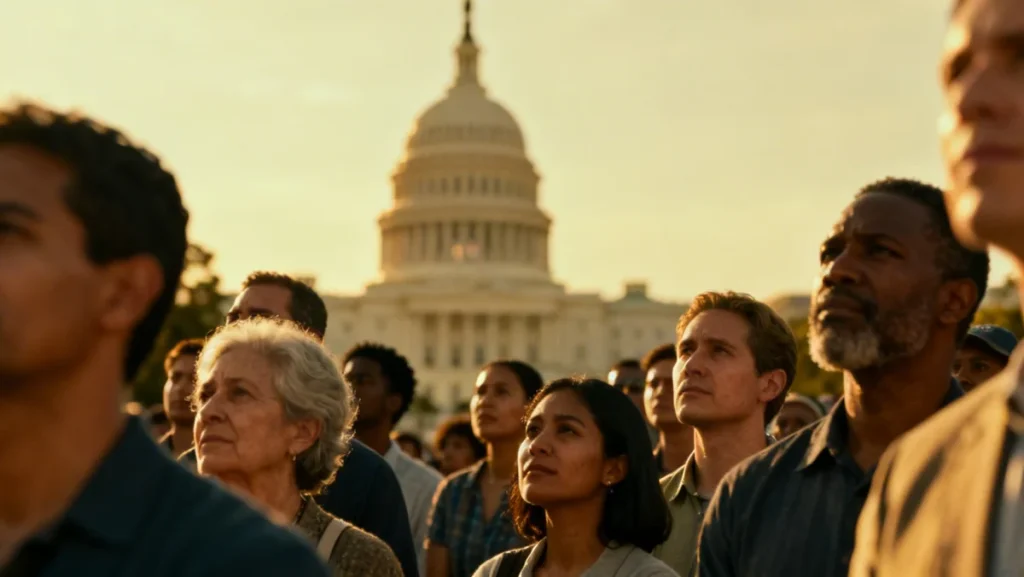
Congress is currently engaged in intensive debates concerning future immigration policy changes for 2026, specifically addressing the introduction of new visa categories and the implementation of advanced border security measures.
The landscape of immigration in the United States is perpetually shifting, and as 2026 approaches, discussions in Washington D.C. are intensifying. Congress is deep in deliberations over significant immigration policy changes, considering not only new visa categories but also robust enhancements to border security. These potential reforms could profoundly impact individuals, families, and the nation’s economy, making it crucial to understand the nuances of the ongoing debates.
Understanding the current immigration landscape
Before diving into the proposed changes, it’s essential to grasp the complexities of the existing immigration system. The current framework is a patchwork of laws and regulations developed over decades, often in response to specific economic, social, or humanitarian needs. This system, while comprehensive, faces persistent challenges.
The United States’ immigration policy is primarily governed by the Immigration and Nationality Act (INA), which categorizes immigrants into various preference systems, including family-sponsored, employment-based, and diversity visas. Each category has its own set of requirements, quotas, and processing times. However, the system is frequently criticized for its backlogs, its inability to adapt quickly to labor market demands, and its perceived inefficiencies in border management.
Challenges in the current system
The current immigration framework, while foundational, is not without its significant hurdles. These challenges often fuel the calls for reform and lead to the extensive debates currently underway in Congress.
- Visa backlogs: Millions of applicants face extensive waiting periods, sometimes spanning decades, particularly in family-sponsored and certain employment-based categories, due to annual caps.
- Economic mismatch: The existing visa categories often fail to align with the evolving needs of the U.S. labor market, leading to shortages in critical sectors and a brain drain from other nations.
- Border management: Despite continuous efforts, securing the nation’s borders remains a contentious issue, with ongoing debates about the effectiveness and humanity of current enforcement strategies.
- Asylum process: The asylum system is often overwhelmed, leading to lengthy processing times and significant humanitarian concerns for those seeking protection.
These issues collectively underscore the urgent need for comprehensive reform, prompting lawmakers to explore innovative solutions for 2026 and beyond. The debates aim to address these systemic problems head-on, seeking to create a more efficient, equitable, and secure immigration system.
Proposed new visa categories for 2026
One of the central pillars of the congressional debate revolves around the introduction of entirely new visa categories. These proposals are designed to address specific gaps in the current system and to better align immigration with national economic and social priorities. Lawmakers are exploring various avenues to ensure that the U.S. remains competitive globally while also managing immigration flows effectively.
Among the most discussed new categories are those aimed at high-skilled workers in emerging industries, climate-change refugees, and entrepreneurs. The rationale behind these additions is to attract talent, offer humanitarian aid, and stimulate economic growth, reflecting a forward-thinking approach to global challenges and opportunities.
Focus on high-skilled and specialized talent
There’s a strong push to create new visas specifically for individuals with advanced degrees and expertise in fields such as artificial intelligence, biotechnology, and renewable energy. This is seen as a vital step to maintain America’s technological edge.
- STEM talent visas: Proposals include dedicated visas for graduates in Science, Technology, Engineering, and Mathematics from U.S. universities, encouraging them to stay and contribute to the economy.
- Entrepreneur visas: New categories designed to attract foreign entrepreneurs willing to launch and scale businesses in the U.S., potentially creating jobs and fostering innovation.
- Critical infrastructure visas: Visas for workers with specialized skills essential for maintaining and developing national infrastructure, from cybersecurity to advanced manufacturing.
These specialized visa categories aim to streamline the process for individuals who can immediately contribute to key sectors, reducing the brain drain and accelerating economic development. The goal is to make the U.S. a more attractive destination for global talent.
Enhancing border security measures
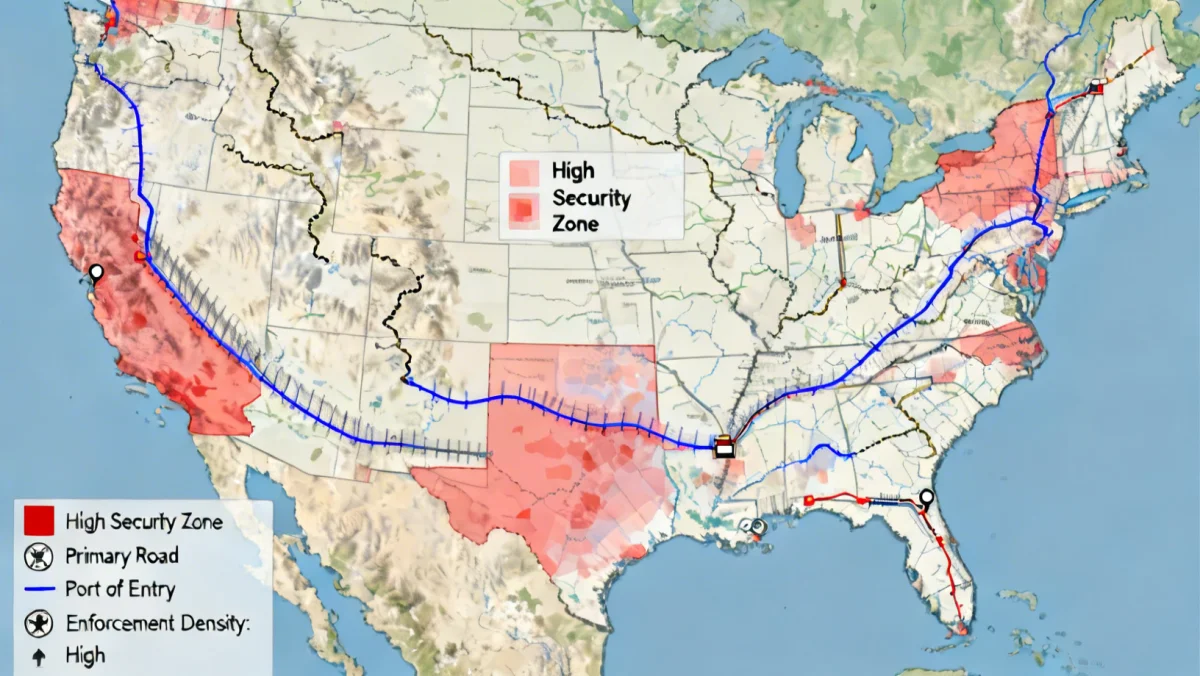
Alongside discussions on visa reform, strengthening border security remains a paramount concern for Congress. The debates for 2026 include proposals for advanced technological solutions, increased personnel, and revised enforcement strategies aimed at creating a more secure and manageable border. The objective is to deter illegal crossings while ensuring humane treatment of individuals.
Lawmakers are evaluating a range of options, from sophisticated surveillance systems to physical barriers, and considering how these measures can be integrated with intelligence gathering and international cooperation. The conversation also includes streamlining the asylum process at the border to reduce backlogs and improve efficiency.
Technological advancements in border control
The focus is increasingly on leveraging cutting-edge technology to enhance surveillance and interdiction capabilities, moving beyond traditional methods.
- AI-powered surveillance: Deployment of artificial intelligence for predictive analysis of border activity and autonomous drone patrols to cover vast and remote areas.
- Biometric identification: Enhanced biometric screening at ports of entry to ensure accurate identification and reduce fraudulent attempts.
- Integrated sensor networks: Installation of advanced ground sensors and cameras that can detect movement and provide real-time data to border patrol agents.
These technological solutions are intended to provide a more comprehensive and real-time understanding of border activities, enabling more effective deployment of resources and quicker responses to potential threats. The integration of these systems is crucial for a modern border security strategy.
Economic impact of proposed changes
The economic implications of these proposed immigration policy changes are a significant part of the congressional debate. Proponents argue that new visa categories for skilled workers and entrepreneurs will boost innovation, create jobs, and contribute to GDP growth. Conversely, concerns are raised about potential impacts on domestic labor markets and the costs associated with increased border security.
Economists are analyzing various scenarios, projecting how changes in immigration flows and skill compositions might affect wages, employment rates, and overall economic competitiveness. The goal is to strike a balance that maximizes economic benefits while mitigating any adverse effects on the existing workforce.
Benefits of targeted immigration
Advocates for the new visa categories highlight several potential economic upsides, particularly in a globalized economy where talent acquisition is key.
- Innovation boost: Attracting highly skilled immigrants, especially in STEM fields, can lead to increased innovation, patent creation, and the development of new industries.
- Job creation: Entrepreneurs and skilled workers often create new businesses and expand existing ones, leading to direct and indirect job creation for both immigrants and native-born citizens.
- Economic growth: A larger, more dynamic workforce can contribute to higher consumption, increased tax revenue, and a stronger overall economy.
These benefits are seen as essential for maintaining America’s position as a global economic leader. The ability to attract and retain top talent from around the world is a critical factor in long-term prosperity.
Humanitarian considerations and ethical debates
Beyond economics and security, the ethical and humanitarian aspects of immigration policy are at the forefront of the congressional discussions. Lawmakers are grappling with how to balance national interests with the moral imperative to provide refuge and fair treatment to those seeking a better life. The debates encompass the treatment of asylum seekers, family reunification policies, and the overall human rights implications of proposed changes.
There is a strong push to ensure that any new policies are humane, uphold international human rights standards, and reflect American values. This involves careful consideration of detention policies, due process rights, and access to legal representation for all immigrants.
Protecting vulnerable populations
A key focus of the humanitarian debate is on refining policies to better protect and support vulnerable populations, such as children, asylum seekers, and victims of trafficking.
- Streamlined asylum process: Proposals include reforms to expedite asylum claims, ensuring timely and fair evaluations for those fleeing persecution.
- Family reunification: Discussions center on reducing backlogs and improving the efficiency of family-sponsored visa categories to keep families together.
- Access to legal aid: Ensuring that all immigrants, particularly those in vulnerable situations, have access to legal counsel and due process rights.
These considerations are vital for maintaining the moral integrity of the immigration system and ensuring that the U.S. continues to be a beacon of hope for those in need.
Political challenges and bipartisan efforts
Navigating immigration reform in Congress is notoriously difficult, given the highly polarized political climate. The current debates are no exception, with lawmakers facing significant challenges in finding common ground on sensitive issues. However, there are ongoing efforts to forge bipartisan solutions, recognizing that a stable and effective immigration system benefits everyone.
Compromise is essential, and both parties are exploring areas where their interests align, such as economic growth through skilled immigration and enhanced national security through border management. The key is to move beyond ideological divides and focus on practical, data-driven solutions.
Pathways to compromise
Despite the deep divisions, several strategies are being employed to bridge the political gap and advance meaningful reform.
- Incremental reforms: Focusing on smaller, more achievable legislative changes rather than trying to pass one massive, all-encompassing bill.
- Data-driven policy: Basing policy decisions on empirical evidence and expert analysis rather than purely on political rhetoric.
- Stakeholder engagement: Involving businesses, labor unions, immigrant advocacy groups, and border communities in the discussion to gather diverse perspectives and build consensus.
These efforts underscore the commitment, however challenging, to finding sustainable solutions that can garner broad support and lead to effective immigration policy changes by 2026.
The future outlook for immigration policy in 2026
As Congress continues its deliberations, the future of U.S. immigration policy for 2026 remains fluid but promising. The blend of proposed new visa categories and enhanced border security measures reflects a national conversation about identity, economy, and global responsibility. While significant hurdles remain, the ongoing discussions signal a proactive approach to modernizing a system that is critical to the nation’s fabric.
The outcomes of these debates will undoubtedly shape the lives of millions and redefine America’s role on the international stage. Stakeholders from all sectors are closely watching, eager to see how these complex issues will ultimately be resolved and what the new immigration landscape will look like.
Key indicators for successful reform
Several factors will be crucial in determining the success and longevity of any proposed immigration reforms.
- Political will: The ability of lawmakers to overcome partisan gridlock and prioritize national interest over political expediency.
- Public support: The degree to which the public understands and supports the proposed changes, which can influence legislative momentum.
- Adaptive framework: The creation of an immigration system that is flexible enough to adapt to future economic shifts, technological advancements, and global events.
Ultimately, the success of these reforms will depend on a collaborative and pragmatic approach, ensuring that the new policies are both effective and equitable. The path forward for immigration policy changes in 2026 is complex, but the ongoing dialogue is a vital step toward a more effective system.
| Key Policy Area | Brief Description |
|---|---|
| New Visa Categories | Proposals for specialized visas targeting high-skilled workers, entrepreneurs, and climate-change refugees to meet economic and humanitarian needs. |
| Border Security Enhancements | Focus on advanced technology, increased personnel, and revised enforcement strategies to secure borders and manage migration flows. |
| Economic Impact | Analysis of how changes could boost innovation, create jobs, and affect domestic labor markets, aiming for balanced growth. |
| Humanitarian Concerns | Debates on ethical treatment of asylum seekers, family reunification, and upholding human rights within new policy frameworks. |
Frequently asked questions about immigration policy changes
The main goals are to modernize the U.S. immigration system, address labor market needs through new visa categories, enhance national security via improved border control, and streamline processes for a more efficient and humane system overall.
New visa categories, particularly for high-skilled workers and entrepreneurs, are expected to boost innovation, stimulate job creation, and contribute to economic growth by attracting global talent and fostering new industries.
Discussions include deploying advanced technologies like AI-powered surveillance and integrated sensor networks, increasing border patrol personnel, and refining interdiction strategies to enhance overall border control and safety.
While the focus is on future policies, some reforms might impact existing backlogs and processing times, potentially streamlining certain categories. Specific effects will depend on the final legislative details.
Humanitarian considerations are central to the debate, emphasizing ethical treatment of asylum seekers, prioritizing family reunification, and ensuring due process and access to legal aid for all individuals within the immigration system.
Conclusion
The ongoing congressional debates surrounding immigration policy changes for 2026 represent a pivotal moment for the United States. The blend of proposed new visa categories and enhanced border security measures reflects a complex effort to reconcile economic imperatives, national security concerns, and humanitarian responsibilities. While the path to comprehensive reform is fraught with political challenges, the commitment to modernizing the immigration system is evident. The ultimate outcome will not only redefine America’s approach to immigration but also significantly impact its global standing and internal dynamics for years to come. These discussions underscore the enduring importance of a balanced, fair, and efficient immigration framework for the nation’s future.
Key indicators for successful reform
Several factors will be crucial in determining the success and longevity of any proposed immigration reforms.
- Political will: The ability of lawmakers to overcome partisan gridlock and prioritize national interest over political expediency.
- Public support: The degree to which the public understands and supports the proposed changes, which can influence legislative momentum.
- Adaptive framework: The creation of an immigration system that is flexible enough to adapt to future economic shifts, technological advancements, and global events.
Ultimately, the success of these reforms will depend on a collaborative and pragmatic approach, ensuring that the new policies are both effective and equitable. The path forward for immigration policy changes in 2026 is complex, but the ongoing dialogue is a vital step toward a more effective system.