2026 Accreditation Changes: Degree Value & Recognition Impact
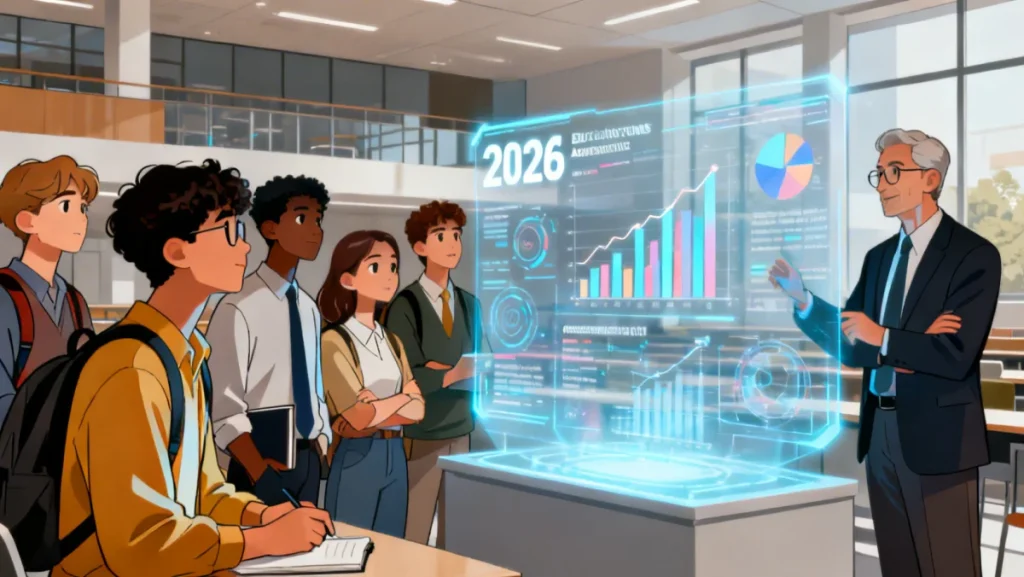
The 2026 accreditation changes are poised to significantly reshape the landscape of higher education, directly impacting the perceived value and official recognition of academic degrees for students and institutions.
The world of higher education is constantly evolving, and 2026 is set to bring about significant shifts that could fundamentally alter how we perceive and value academic credentials. Understanding the 2026 accreditation changes: what they mean for your degree’s value and recognition is not just for university administrators; it’s vital for every current student, prospective learner, and professional relying on their academic achievements.
Understanding the Core of 2026 Accreditation Updates
Accreditation serves as the bedrock of quality assurance in higher education, ensuring that institutions meet rigorous standards for academic excellence, institutional integrity, and student outcomes. The upcoming 2026 accreditation changes represent a comprehensive overhaul, designed to address the evolving needs of the modern workforce and the dynamic educational landscape. These changes aim to enhance accountability, promote innovation, and ultimately, strengthen the value of a degree.
At its heart, the process involves a thorough review of existing criteria and the introduction of new benchmarks that reflect contemporary educational best practices. This isn’t merely a bureaucratic adjustment; it’s a strategic move to future-proof higher education, ensuring that degrees remain relevant and respected in an increasingly competitive global environment. Institutions are already preparing for these shifts, evaluating their programs and operational structures against the proposed new standards.
Key Drivers Behind the Revisions
- Technological Advancements: The rapid pace of technological change necessitates that educational programs adapt to equip students with relevant digital skills.
- Workforce Demands: Employers increasingly seek graduates with specific competencies beyond traditional academic knowledge, driving a focus on practical application and critical thinking.
- Global Competitiveness: U.S. higher education aims to maintain its standing as a world leader, requiring continuous improvement and alignment with international best practices.
- Student Outcomes: A stronger emphasis on measurable student success, including graduation rates, job placement, and career progression.
In essence, the 2026 changes are a proactive response to a changing world, ensuring that higher education continues to serve its purpose effectively. They are designed to benefit students by guaranteeing that their hard-earned degrees hold true weight and open doors to meaningful opportunities.
Impact on Degree Programs and Curricula
The revised accreditation standards will undoubtedly prompt significant adjustments to degree programs and curricula across various institutions. Universities and colleges will need to meticulously review their offerings to ensure alignment with the new requirements, which often emphasize interdisciplinary studies, experiential learning, and competency-based education. This could lead to the redesign of existing courses, the introduction of new specializations, and a greater integration of practical skills training.
For students, this means a potentially richer and more relevant educational experience. Programs may become more focused on real-world applications, preparing graduates more effectively for immediate entry into the workforce or for advanced studies. The shift is not about making degrees harder, but about making them more impactful and aligned with current and future industry needs. It challenges institutions to be more agile and responsive to external demands while maintaining academic rigor.
Curriculum Redesign and Innovation
Many institutions are already exploring innovative teaching methodologies and curriculum structures to meet the upcoming accreditation benchmarks. This includes a greater emphasis on project-based learning, internships, co-op programs, and digital literacy. The goal is to move beyond rote memorization towards fostering critical thinking, problem-solving, and adaptability – skills highly valued by employers.
- Integration of Soft Skills: Programs will likely incorporate more modules focused on communication, teamwork, and leadership.
- Digital Competency: Enhanced focus on data analysis, cybersecurity, and other essential digital skills across all disciplines.
- Experiential Learning: Greater opportunities for internships, clinical rotations, and research projects to bridge theory and practice.
Ultimately, these changes aim to produce graduates who are not only knowledgeable but also highly capable and adaptable, ready to contribute meaningfully to their chosen fields. The curriculum will evolve to reflect a more holistic approach to education, valuing both academic achievement and practical readiness.
The Shifting Landscape of Institutional Accountability
A significant aspect of the 2026 accreditation changes centers on enhanced institutional accountability. Accrediting bodies are moving towards more robust metrics for evaluating institutional performance, extending beyond traditional inputs like faculty qualifications and library resources to focus heavily on student outcomes. This means institutions will face greater scrutiny regarding graduation rates, student debt levels, post-graduation employment rates, and the overall satisfaction of their alumni.
This increased accountability is designed to protect students and ensure that they are receiving a worthwhile return on their investment in higher education. Institutions that consistently fail to meet these outcome-based standards may face sanctions, including probationary periods or, in severe cases, loss of accreditation. Such measures underscore the importance of these changes and the commitment to maintaining high standards across the educational sector.
Measuring Success Beyond Diplomas
The new emphasis on outcomes requires institutions to develop more sophisticated data collection and analysis methods. They will need to track student progress more closely, offer targeted support services, and continuously evaluate the effectiveness of their programs. This shift encourages a culture of continuous improvement and data-driven decision-making within universities and colleges.
- Transparent Reporting: Institutions will be required to provide more transparent data on student outcomes to prospective students and the public.
- Performance-Based Funding: Some state and federal funding models may increasingly tie financial support to an institution’s ability to meet specific outcome metrics.
- Student Support Services: A greater focus on resources like career counseling, academic advising, and mental health support to improve student success.
This evolving framework of accountability ensures that institutions are not just providing education, but are effectively preparing students for successful futures, thereby reinforcing the overall credibility and value of accredited degrees.
What These Changes Mean for Your Degree’s Value
For individuals holding or pursuing a degree, the 2026 accreditation changes will have a direct bearing on its perceived and actual value. A degree from an institution that successfully navigates and adapts to these new standards will likely be viewed as more reputable and relevant by employers and other academic institutions. This is because the accreditation signals a commitment to quality, innovation, and student success that aligns with contemporary expectations.
Conversely, degrees from institutions that struggle to meet the new benchmarks might face questions regarding their currency and rigor. While an existing degree won’t suddenly become invalid, its market perception could shift. For prospective students, choosing an institution that is proactive in adopting the new standards becomes even more critical. The value of your degree is not just in the knowledge gained, but in the trust and recognition it commands in the professional world.
Enhancing Employability and Recognition
The emphasis on practical skills, interdisciplinary learning, and measurable outcomes under the new accreditation framework directly translates into enhanced employability. Graduates from compliant institutions will possess a skill set that is more closely aligned with employer demands, making them more attractive candidates in the job market.
- Employer Confidence: Employers will have greater assurance that graduates from accredited programs possess up-to-date skills and knowledge.
- Seamless Transferability: Degrees from institutions meeting the new standards will likely enjoy smoother transferability of credits and recognition for advanced studies.
- Professional Licensing: Many professional licenses require degrees from accredited programs, and these changes will reinforce the legitimacy of such credentials.
Ultimately, the 2026 accreditation changes aim to fortify the value proposition of a college degree, ensuring it remains a powerful credential for career advancement and personal growth.
Preparing for the Future: Advice for Students and Professionals
Navigating the upcoming changes requires a proactive approach from both current students and working professionals. For those currently enrolled, it’s essential to stay informed about how your institution is adapting its programs and to take advantage of any new resources or curriculum enhancements. Engage with your academic advisors and career services to understand the implications for your specific field of study.
For professionals considering further education, research institutions carefully, prioritizing those that demonstrate a clear understanding and plan for implementing the 2026 accreditation standards. Look for transparency in their outcomes reporting and evidence of curriculum innovation. These steps will help ensure that your investment in education yields the greatest possible return in terms of career advancement and personal development.
Strategic Steps for Academic Success
Being prepared means more than just knowing about the changes; it means actively engaging with them. This proactive stance can make a significant difference in how your degree is perceived and utilized in the years to come.
- Stay Informed: Regularly check updates from your institution and accrediting bodies regarding implementation of new standards.
- Utilize Career Services: Leverage career counseling and job placement services to align your studies with current industry demands.
- Pursue Experiential Learning: Actively seek out internships, co-ops, and research opportunities to gain practical experience.
By taking these steps, individuals can ensure their academic journey remains relevant and their degree continues to be a powerful asset in their professional life.
The Role of Technology and Innovation in New Standards
Technology is not merely a tool in the context of the 2026 accreditation changes; it is a fundamental driver and enabler of the new standards. The revisions strongly encourage institutions to integrate advanced technologies into their teaching methodologies, administrative processes, and outcome assessments. This includes leveraging learning management systems more effectively, incorporating artificial intelligence for personalized learning experiences, and utilizing data analytics to track student progress and institutional effectiveness.
Innovation in education technology (EdTech) is seen as crucial for addressing the diverse needs of learners, enhancing accessibility, and preparing students for a digitally-driven world. The accreditation bodies recognize that institutions must be at the forefront of technological adoption to deliver high-quality, relevant education. This pushes universities to invest in digital infrastructure, faculty training in EdTech, and the development of cutting-edge online and hybrid learning models.

Driving Educational Transformation
The emphasis on technology extends beyond just course delivery. It also pertains to how institutions manage their operations and engage with their stakeholders. From digital credentialing to virtual reality simulations for training, technology is set to transform every facet of higher education under the new accreditation guidelines.
- Personalized Learning Paths: Use of AI and adaptive learning platforms to tailor educational content to individual student needs.
- Enhanced Data Analytics: Employing big data to monitor student performance, identify areas for improvement, and optimize resource allocation.
- Global Collaboration: Utilizing digital platforms to facilitate international partnerships and provide students with global learning experiences.
The integration of technology and innovation is therefore a cornerstone of the 2026 accreditation changes, aiming to create a more dynamic, efficient, and globally competitive higher education system.
| Key Aspect | Description of Impact |
|---|---|
| Curriculum Evolution | Programs will emphasize interdisciplinary studies, experiential learning, and practical skills for workforce readiness. |
| Institutional Accountability | Stricter metrics for student outcomes, including graduation rates and employment, will be enforced. |
| Degree Value & Recognition | Degrees from compliant institutions will gain enhanced reputation and relevance in the job market. |
| Technology Integration | Increased use of EdTech for personalized learning, data analytics, and global collaboration. |
Frequently Asked Questions About 2026 Accreditation Changes
The main goals are to enhance academic quality, increase institutional accountability, promote innovation in education, and ensure that degrees remain highly relevant and recognized in a rapidly changing global economy. These changes aim to better prepare students for future careers.
Current students may experience curriculum adjustments, increased focus on practical skills, and potentially more robust career support services. Their degrees from compliant institutions will likely see enhanced recognition and value upon graduation, benefiting their professional trajectory.
An existing degree from an accredited institution will not lose its validity. However, degrees from institutions that actively adapt to the new standards may gain a competitive edge in terms of perceived relevance and employer confidence, subtly shifting market dynamics.
Prospective students should seek institutions demonstrating clear plans to meet the 2026 accreditation standards. Look for transparency in student outcome data, innovative curriculum designs, strong career services, and investments in educational technology to ensure a future-proof education.
Technology is central, encouraging institutions to integrate advanced digital tools for teaching, learning, and assessment. This includes personalized learning platforms, data analytics for student progress, and virtual collaboration, all aimed at fostering a dynamic and effective educational environment.
Conclusion
The 2026 accreditation changes represent a pivotal moment for higher education, aiming to refine and strengthen the value of academic degrees in the United States. These comprehensive updates are designed to ensure that institutions remain relevant, accountable, and capable of preparing students for the complexities of the modern world. By focusing on curriculum innovation, enhanced accountability, and the strategic integration of technology, the new standards promise to elevate the quality and recognition of degrees, ultimately benefiting students, employers, and the broader society. Staying informed and adapting proactively will be key for all stakeholders in navigating this evolving educational landscape.